
Your skin has lost that effortless glow it once had. Fine lines are starting to settle in, hydration seems to vanish by midday, and no amount of serum seems to restore the plumpness you remember. You have heard about polynucleotides and skin boosters, two of the most talked-about injectable treatments in aesthetics right now, but you are not entirely sure which one is right for you, or whether they even do the same thing. The short answer: they do not, and understanding the difference is key to choosing wisely.
What Are Skin Boosters?
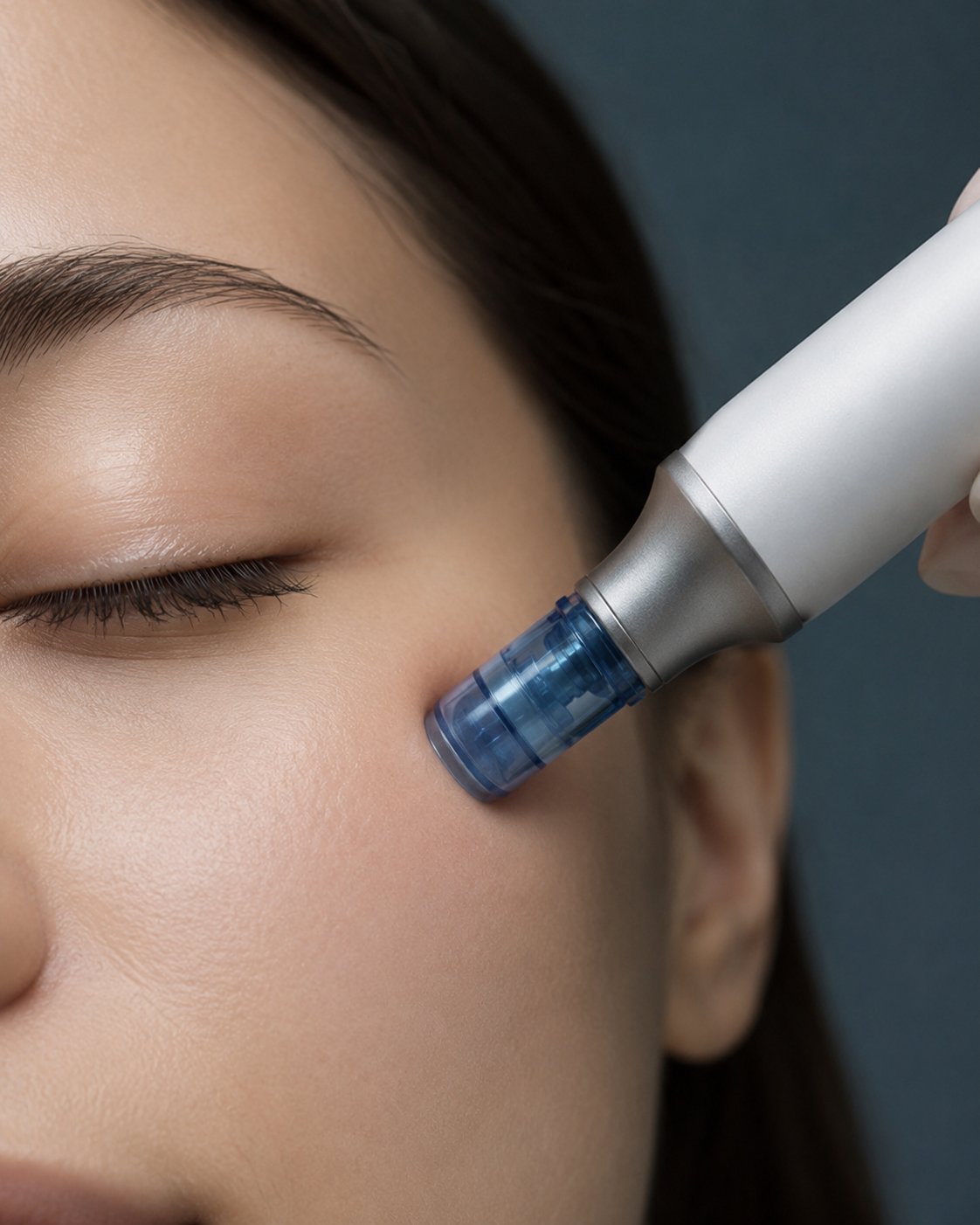
Skin boosters are injectable treatments that deliver hyaluronic acid, the body's natural hydration molecule, directly into the dermal layer of the skin. Unlike dermal fillers, which add volume to specific areas, skin boosters disperse across a broader area to improve overall hydration, elasticity, and skin quality from within.
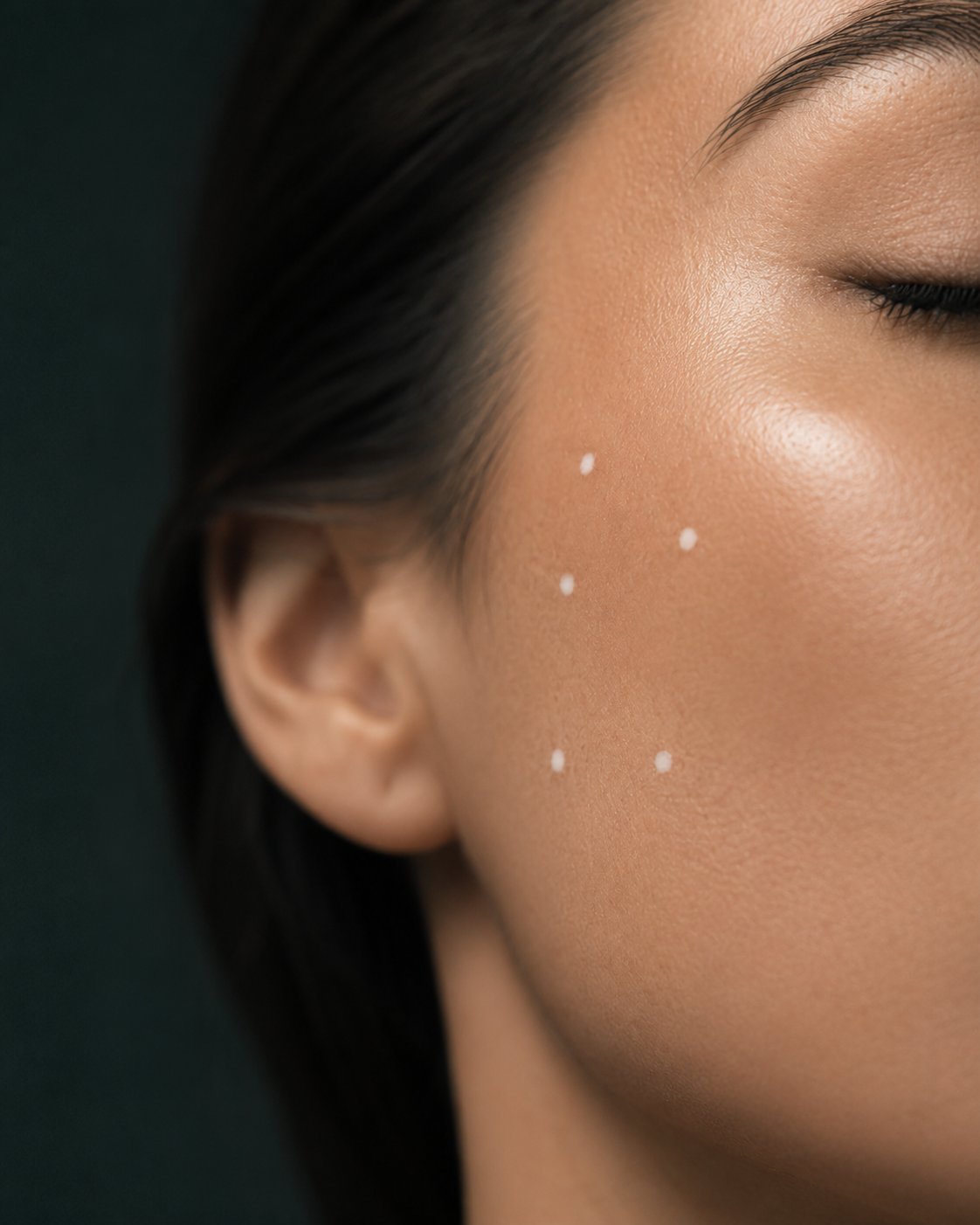
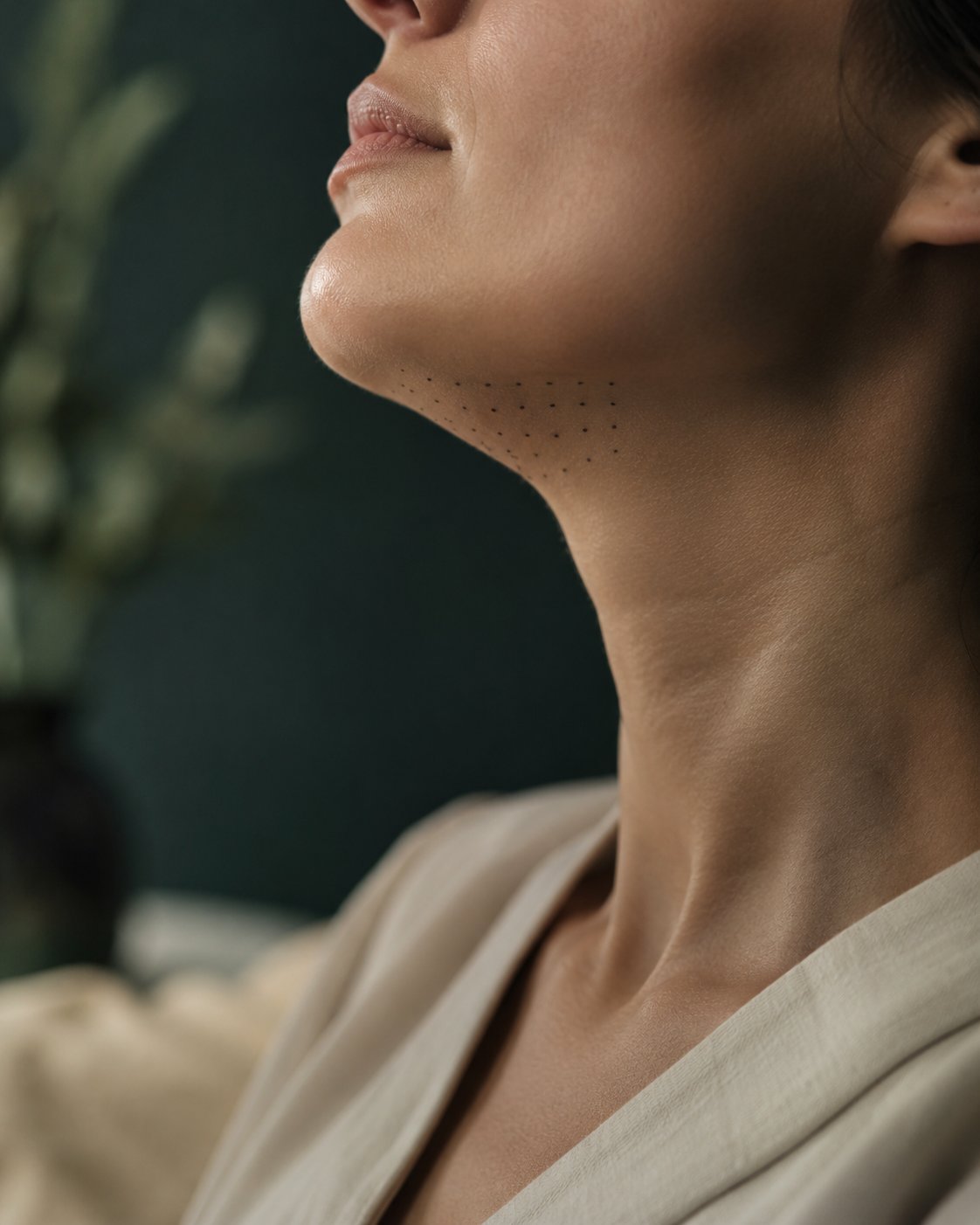
The most well-known skin booster is Profhilo, which contains one of the highest concentrations of hyaluronic acid available in an injectable format. It is administered through a series of small injections at specific points (known as BAP, Bio Aesthetic Points) on the face, neck, or hands. Once injected, the hyaluronic acid spreads beneath the skin, attracting and binding water to deliver deep, sustained hydration.
The primary benefits of skin boosters include:
- Improved skin hydration and moisture retention
- Enhanced skin elasticity and firmness
- A visible glow and smoother surface texture
- Reduction in superficial fine lines caused by dehydration
- Improved skin quality in areas such as the neck, decolletage, and hands
Skin boosters are often described as giving the skin a "drink from the inside." They work exceptionally well for clients whose primary concern is dullness, dryness, or early loss of elasticity.
What Are Polynucleotides?
Polynucleotides represent a newer category in aesthetic medicine, and they work through an entirely different mechanism. Derived from purified DNA fragments (typically from salmon or trout DNA, which is highly biocompatible with human tissue), polynucleotides stimulate the skin's own regenerative processes at a cellular level.
Rather than simply adding hydration, polynucleotides activate fibroblasts, the cells responsible for producing collagen, elastin, and other structural proteins. They also promote tissue repair, reduce inflammation, and improve the skin's micro-environment for healthier cell function.
The primary benefits of polynucleotides include:
- Stimulation of new collagen and elastin production
- Genuine tissue regeneration and cellular repair
- Improved skin thickness and structural integrity
- Reduction in fine lines through biological remodelling (not just hydration)
- Anti-inflammatory and antioxidant properties
- Improvement in skin quality in areas with thin, crepey skin
Polynucleotides are often described as "bio-stimulators" because they do not simply supplement the skin with a substance. They encourage the skin to repair and renew itself.
Regeneration vs Hydration: The Core Difference
This is the fundamental distinction when comparing polynucleotides vs skin boosters, and it matters more than many people realise.
Skin boosters hydrate. They deliver hyaluronic acid, which attracts water and plumps the skin from within. The effect is immediate, and many clients notice a visible glow within days of their first session. However, hyaluronic acid is gradually metabolised by the body, meaning the hydration effect is temporary and requires maintenance treatments (typically every four to six months after an initial course).
Polynucleotides regenerate. They trigger a biological cascade that results in new collagen production, tissue repair, and improved cellular function. The results are not instant. They build progressively over weeks as the regenerative processes take effect. However, because polynucleotides stimulate the skin to produce its own structural proteins, the improvements can be longer-lasting and more fundamentally significant.
Think of it this way: skin boosters are like watering a plant, essential for immediate vitality. Polynucleotides are like enriching the soil, creating the conditions for the plant to thrive long term.
Who Is Each Treatment Best Suited For?
Understanding your specific concerns and goals is the most reliable way to determine which treatment is right for you.
Skin boosters may be ideal if you:
- Are in your late twenties to early thirties and want to maintain skin quality proactively
- Have generally good skin but notice seasonal dullness or dehydration
- Want a visible glow before a special event (with appropriate lead time)
- Are looking for a lighter-touch treatment with minimal downtime
- Want to improve skin quality on the neck, hands, or decolletage
Polynucleotides may be ideal if you:
- Are noticing genuine loss of skin firmness, elasticity, or thickness
- Have fine lines that are becoming more established
- Want to address skin quality at a deeper, biological level
- Are recovering from skin damage (sun exposure, scarring, post-treatment healing)
- Have thin or crepey skin, particularly under the eyes or on the neck
- Are looking for results that build and last over time
At Éclat & Harmonie Clinic Studio in London NW5, near Kentish Town, we frequently see clients who are unsure which category their concerns fall into, and that is entirely normal. A consultation allows us to assess your skin thoroughly and recommend the treatment that aligns with your goals.
Can You Combine Polynucleotides and Skin Boosters?
Yes, and in many cases, combining the two can deliver results that neither achieves alone. This is one of the most exciting developments in modern skin rejuvenation.
A combined protocol might involve polynucleotides to stimulate deep regeneration and structural improvement, followed by skin boosters to layer in hydration and surface-level radiance. The regenerative foundation created by polynucleotides can actually enhance the effectiveness of skin boosters, because healthier, better-functioning skin retains hydration more efficiently.
The timing and sequencing of a combined plan requires clinical judgement. Treatments are typically spaced two to four weeks apart to allow each to take effect before the next is introduced. At Éclat & Harmonie, our qualified, registered practitioners personalise every protocol to the individual, ensuring treatments complement rather than compete with each other.
What About Cost?
Both polynucleotides and skin boosters represent an investment in your skin, and pricing varies depending on the specific products used, the areas treated, and the number of sessions in your course.
Generally, polynucleotides and skin boosters fall within a similar price range per session. However, the total investment depends on the treatment plan recommended for your specific concerns. Some clients achieve excellent results with a short course of one treatment; others benefit from a longer-term plan that incorporates both.
Rather than comparing cost per session in isolation, we encourage clients to think about value in terms of results achieved and longevity of those results. A slightly higher upfront investment in a well-planned protocol can deliver far better value than multiple ad hoc treatments that do not build on each other.
We are always transparent about pricing during your consultation, so you can make an informed decision with no surprises.
Making Your Decision
The choice between polynucleotides vs skin boosters does not have to be an either/or decision. Both are excellent treatments with strong evidence behind them, and both have a place in a well-rounded skin plan. The right choice depends on your starting point, your goals, and what your skin needs most right now.
All treatments at Éclat & Harmonie Clinic Studio are administered by qualified, registered practitioners who take the time to understand your skin before recommending a course of action.
Not sure which treatment is right for your skin? Book a consultation at Éclat & Harmonie Clinic Studio and get a personalised recommendation based on your goals.