



Walk into any health shop in Kentish Town, or scroll through any wellness influencer's feed, and you will find collagen supplements everywhere. Powders, capsules, gummies, and even collagen-infused coffees now line the shelves, each promising plumper, firmer, younger-looking skin. But do collagen supplements actually deliver on those promises, or is the hype outpacing the evidence? At Éclat & Harmonie Clinic Studio, we believe in honest, research-backed guidance, so let us take a closer look at what the science really says.
What Collagen Is and Why It Matters
Collagen is the most abundant protein in the human body, accounting for roughly seventy-five per cent of the skin's dry weight. Think of it as the structural scaffolding that keeps skin firm, smooth, and resilient. It works alongside elastin, which provides bounce, and hyaluronic acid, which maintains hydration.
From our mid-twenties onwards, the body's natural collagen production begins to decline, by approximately one to one-and-a-half per cent each year. Factors such as UV exposure, smoking, poor sleep, and a diet high in refined sugar can accelerate this decline. The visible consequences are familiar: fine lines, loss of volume, skin that feels thinner and less elastic than it once did.
This natural decline is precisely what the supplement industry aims to address. The logic sounds straightforward: if we are losing collagen, why not simply consume more of it? Unfortunately, human biology is rarely that simple.
The Supplement Evidence: Promising but Mixed
Most collagen supplements on the market contain hydrolysed collagen peptides, meaning collagen that has been broken down into smaller amino acid chains that the body can absorb more easily. Several studies have shown encouraging results. A 2019 meta-analysis published in the Journal of Drugs in Dermatology reviewed eleven studies and found that oral collagen supplementation may help improve skin elasticity and hydration over a period of eight to twelve weeks.
However, it is important to read beyond the headlines. Many of these studies are small in scale, short in duration, and, critically, funded by supplement manufacturers. Independent research is less abundant, and the results are not as consistently positive.
When you consume collagen supplements, your digestive system breaks the peptides down into individual amino acids. Your body then redistributes those amino acids wherever it determines they are needed most, which may or may not be your skin. There is no internal delivery system that delivers ingested collagen directly to the face. Some researchers believe that the presence of collagen-specific peptides in the bloodstream may signal fibroblasts (the cells responsible for producing collagen) to ramp up production, but this mechanism is not yet fully proven.
Limitations of Oral Collagen Supplements
Even if we accept the more optimistic interpretation of the research, there are practical limitations worth considering.
Bioavailability varies widely. Not all collagen supplements are created equal. The source (bovine, marine, or chicken), the degree of hydrolysis, and the formulation all affect how much of the product your body can actually use. Marine collagen peptides generally have a lower molecular weight and may be absorbed more efficiently, but the difference in real-world skin outcomes remains unclear.
Results are subtle at best. Even the most positive studies report modest improvements: slightly better hydration scores or a marginal increase in elasticity measured by laboratory instruments. These are not the dramatic, visible transformations that marketing materials often imply.
Consistency and cost add up. Most research protocols require daily supplementation for at least two to three months before any measurable change occurs. At a typical cost of thirty to fifty pounds per month for a quality product, that represents a significant ongoing investment for uncertain returns.
They cannot replace what has already been lost. Collagen supplements may support the body's maintenance processes, but they are unlikely to reverse years of collagen degradation. For noticeable structural improvement, professional interventions are typically required.
Professional Alternatives for Collagen Stimulation
This is where clinically supported aesthetic treatments offer a meaningful advantage. Rather than hoping that ingested amino acids find their way to the right cells, professional collagen-stimulating treatments work directly at the site where results are needed.
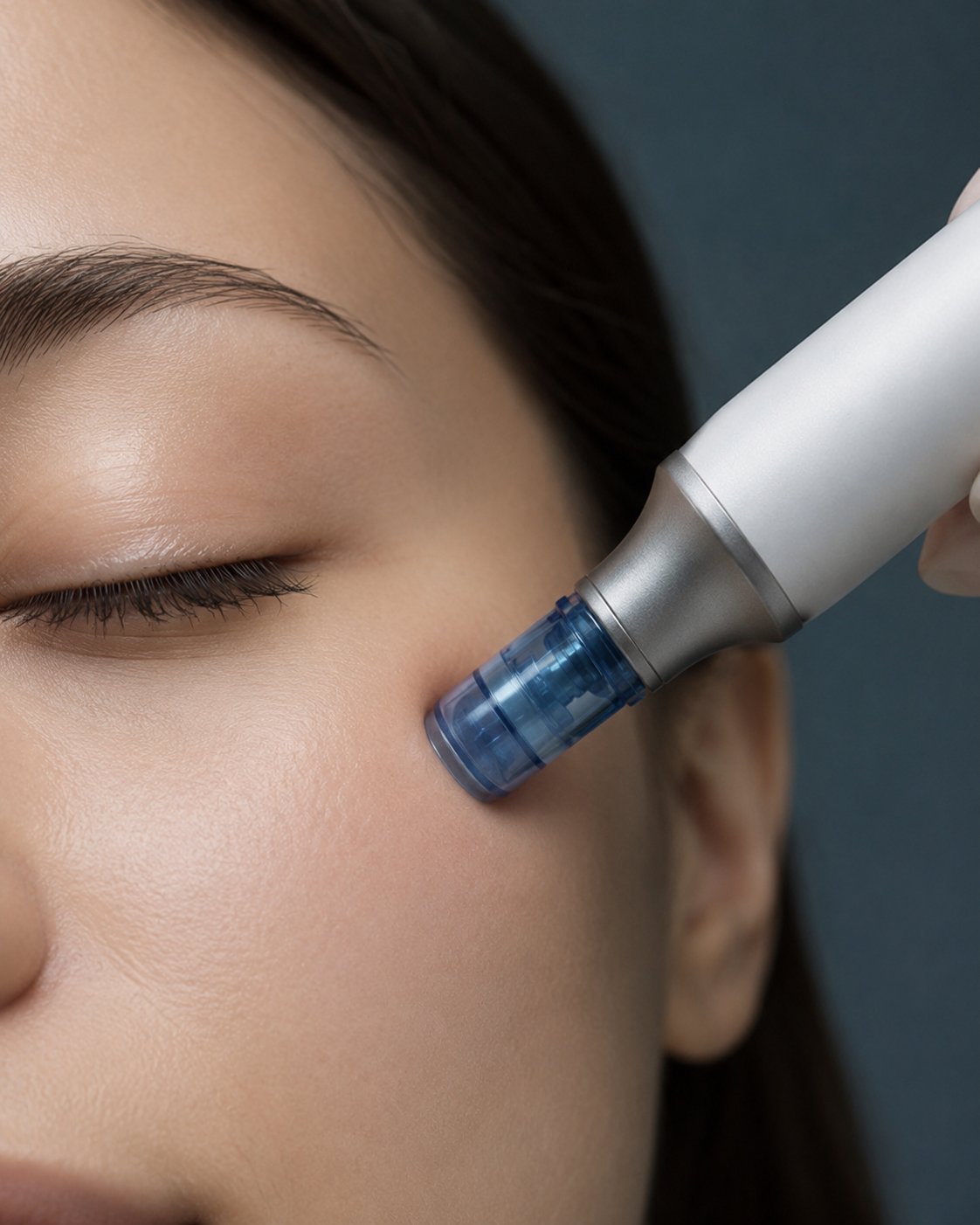
Microneedling creates thousands of controlled micro-injuries in the skin's surface, triggering the body's natural wound-healing response. This process stimulates the production of new collagen and elastin precisely where the needles have penetrated. Clinical studies consistently demonstrate improvements in skin texture, fine lines, and even acne scarring following a course of treatments. At Éclat & Harmonie Clinic Studio in London NW5, our qualified, registered practitioners use medical-grade devices that reach the optimal depth for collagen induction, something that at-home derma rollers cannot replicate safely.
Polynucleotides represent one of the most exciting developments in regenerative aesthetics. These injectable treatments use purified DNA fragments derived from salmon or trout to stimulate fibroblast activity, improve tissue hydration from within, and support the skin's own repair mechanisms. The evidence base for polynucleotides is growing rapidly, with studies showing improvements in skin quality, elasticity, and hydration that can surpass what oral supplements may offer.
Skin boosters and mesotherapy deliver hyaluronic acid and other active ingredients directly into the dermis, providing deep hydration and creating an environment that supports collagen synthesis. These treatments can complement collagen-stimulating procedures for a complete approach to skin rejuvenation.
A Balanced Approach to Collagen Health
We are not here to dismiss collagen supplements entirely. If you enjoy taking them and your budget allows, they are unlikely to cause harm and may offer modest supportive benefits as part of a broader skincare strategy. Think of them as one small piece of a much larger puzzle.
The foundations of healthy collagen production remain unchanged: consistent sun protection with a broad-spectrum SPF, a nutrient-rich diet with adequate protein and vitamin C, quality sleep, stress management, and avoiding excessive sugar and alcohol. These habits cost far less than any supplement and deliver far more reliable results.
For those seeking visible, measurable improvements in skin firmness and quality, professional treatments designed to stimulate collagen at a cellular level offer a more direct and clinically supported path. A personalised consultation can help determine which approach, or combination of approaches, may deliver the results you are looking for.
Your Next Step
If you are curious about collagen-stimulating treatments and want to understand which options may be right for your skin, we would love to welcome you for a consultation at our private studio. Together, we can build a plan that goes beyond supplements and delivers real, lasting improvements.
Book your consultation today →
All treatments administered by qualified, registered practitioners.