


If you have spent any time researching anti-ageing skincare, you will have encountered vitamin A in one form or another. It is the most extensively studied topical ingredient for reducing fine lines, improving texture, and boosting collagen production. But walk into any beauty retailer and you are faced with a confusing array of options: retinol, retinal, retinaldehyde, retinoic acid. The names sound almost identical, yet they are not interchangeable. Understanding the difference between retinol vs retinal can help you choose the right form for your skin and avoid the irritation that sends so many people reaching for the moisturiser in defeat.
The Vitamin A Conversion Pathway
To understand why different forms of vitamin A behave differently on your skin, you need to know how they are processed. The form your skin can actually use is retinoic acid (tretinoin). This is the active molecule that binds to retinoid receptors in your skin cells, triggering increased cell turnover, collagen synthesis, and a host of other regenerative processes.
The catch is that most over-the-counter products do not contain retinoic acid. That requires a prescription. Instead, they contain precursors that your skin must convert into retinoic acid through a series of enzymatic steps.
Retinol requires two conversion steps. First, enzymes in your skin convert retinol into retinal (retinaldehyde). Then, a second set of enzymes converts retinal into retinoic acid. Each conversion step means a portion of the ingredient is lost, which is why retinol is generally considered less potent than prescription-strength retinoids.
Retinal (retinaldehyde) sits one step closer to retinoic acid in the conversion pathway. It requires only a single enzymatic conversion to become the active form. This makes retinal measurably more potent than retinol while still being available without prescription.
Think of it as a process: retinol is two steps away from the destination, retinal is one step away, and retinoic acid has already arrived.
Potency and Efficacy: How They Compare
Research published in peer-reviewed dermatology journals has shown that retinal can be up to eleven times more biologically active than retinol at equivalent concentrations. This does not mean it is eleven times more irritating. The relationship between potency and tolerability is more nuanced than that.
Retinal has also demonstrated antibacterial properties that retinol does not share, making it particularly interesting for those dealing with both ageing concerns and breakout-prone skin. Studies show retinal can produce visible improvements in as little as four weeks, whereas retinol typically requires eight to twelve weeks.
However, retinol has its own advantages. It is more widely available, tends to be more affordable, and its gentler nature makes it a sensible starting point for vitamin A beginners. For many people, retinol provides more than enough stimulation to see meaningful results over time.
Who Should Use Retinol?
Retinol is generally the better choice if you are new to vitamin A skincare. Its slower conversion process means a more gradual release of retinoic acid, which typically translates to less initial irritation, though some degree of adjustment is still normal.
It may be particularly well suited if you have sensitive or reactive skin, if you are under thirty and looking for preventative anti-ageing benefits, or if you have tried retinoids before and found them too harsh. Look for formulations with concentrations between 0.3 and 0.5 per cent to start, and consider products that include soothing ingredients such as niacinamide, ceramides, or squalane to buffer potential irritation.
Retinol is also a pragmatic choice if budget is a consideration. Well-formulated retinol serums are available at a wide range of price points, and concentration matters far more than brand prestige.
Who Should Use Retinal?
Retinal may be the right step up if you have been using retinol consistently for several months and want to intensify your results without moving to a prescription retinoid. It is also worth considering if you want faster visible improvements, as the reduced conversion pathway means your skin can utilise the ingredient more efficiently.
Those dealing with a combination of ageing concerns and acne may find retinal particularly beneficial, given its additional antibacterial activity. It can also be a useful option for clients who have plateaued on retinol and feel their skin has adapted to the point where progress has stalled.
At Éclat & Harmonie Clinic Studio in London NW5, we often discuss vitamin A options during consultations, helping clients navigate the retinol vs retinal decision based on their skin type, history, and goals. There is no universal answer. The right form depends entirely on your individual circumstances.
How to Introduce Vitamin A Safely
Regardless of whether you choose retinol or retinal, the introduction process is broadly the same. Rushing into nightly application is the most common mistake we see, and it almost always leads to unnecessary irritation.
Week one to two: Apply your chosen vitamin A product once or twice per week, in the evening, to clean, dry skin. Wait until your skin is fully dry after cleansing, as applying to damp skin increases penetration and the likelihood of irritation.
Week three to four: If your skin has tolerated the initial phase well, increase to every other night. Mild dryness or very slight flaking is a normal part of the retinisation process. Stinging, burning, or persistent redness is not. Scale back if you experience these.
Week five onwards: Gradually build towards nightly use if your skin allows. Some people find that every other night remains their optimal frequency long-term, and that is perfectly acceptable.
Always apply SPF the following morning. Vitamin A increases your skin's sensitivity to UV radiation, and using retinoids without sun protection is counterproductive. You would be accelerating the very damage you are trying to prevent.
Avoid combining vitamin A with other potent actives in the same routine step, particularly AHAs, BHAs, and vitamin C at low pH. These can be used on alternate evenings or at different times of day, but layering them directly can compromise your skin barrier.
When Professional Treatments Can Help
Topical vitamin A is powerful, but it has its limits. The concentration of retinoic acid your skin can generate from over-the-counter precursors will always be lower than what professional treatments can achieve. If you have been using retinol or retinal consistently and feel you have reached a plateau, professional options can take your results further.
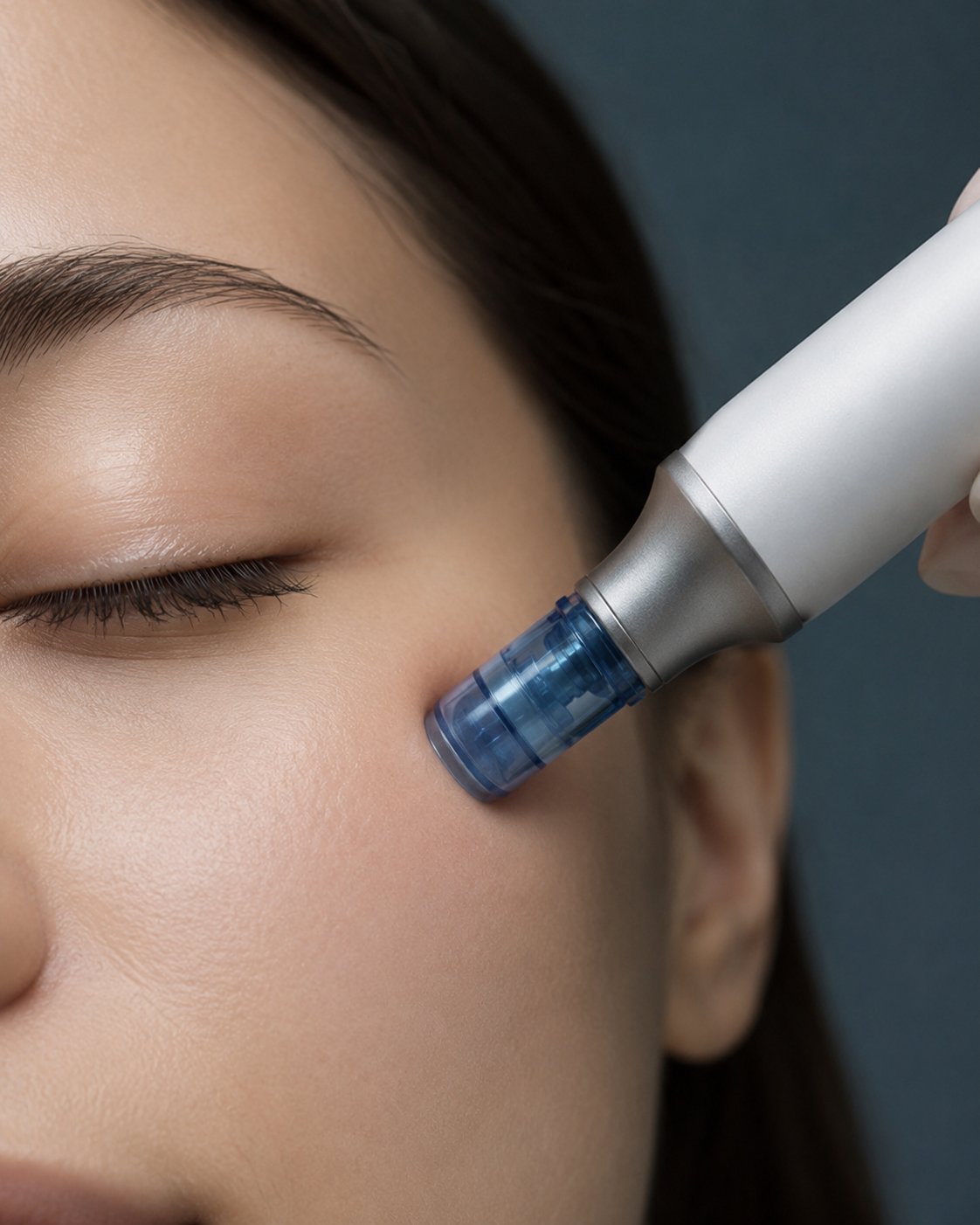
Treatments such as medical-grade chemical peels, microneedling, and targeted skin rejuvenation protocols work synergistically with your at-home vitamin A routine. They address deeper structural changes, including collagen remodelling, textural irregularities, and pigmentation, that topical products can improve but not fully resolve on their own.
Our Kentish Town studio offers personalised treatment plans that complement your existing skincare routine. From first-time vitamin A users to those looking to escalate their approach, a consultation can help clarify the most effective path forward.
If you are unsure which vitamin A derivative is right for your skin, or you would like professional guidance on building a routine that works, book a consultation with our team at Éclat & Harmonie Clinic Studio. All treatments are administered by qualified, registered practitioners.