
Acne may have cleared up years ago, but the scars it left behind can feel like a permanent reminder. Uneven texture, shallow craters, and post-inflammatory discolouration: they catch the light differently, they hold foundation unevenly, and they chip away at confidence in ways that go far beyond the surface. If you have tried every serum on the shelf without meaningful improvement, microneedling may offer the clinical-grade solution your skin has been waiting for.
How Microneedling Stimulates Collagen Renewal
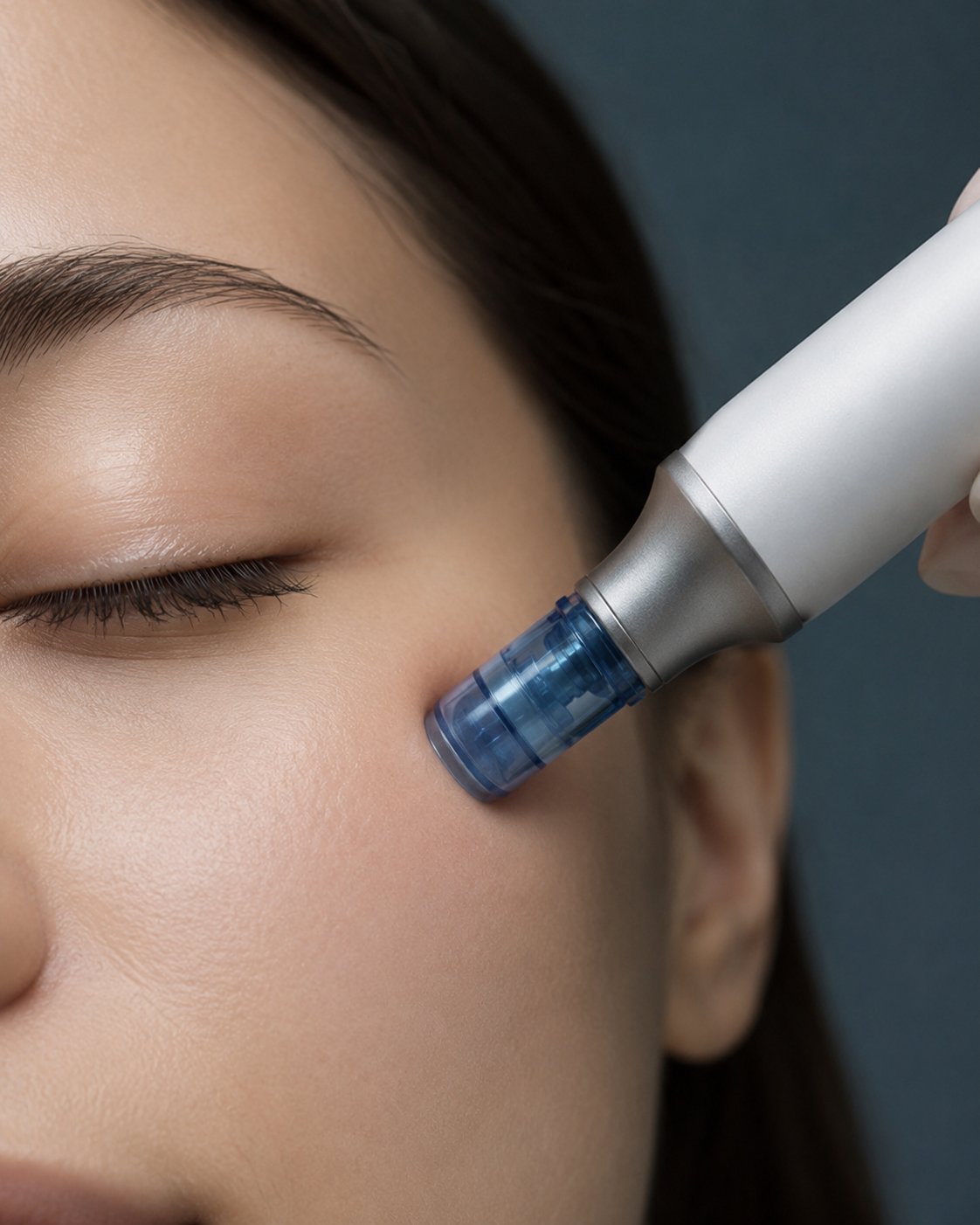
Microneedling, also known as collagen induction therapy, works on a beautifully simple principle: controlled micro-injury triggers the skin's natural healing response. During treatment, a device fitted with fine, sterile needles creates thousands of tiny puncture channels in the skin's surface. These micro-channels are so small they are invisible to the naked eye, yet they are significant enough to set the body's repair mechanisms into motion.
When the skin detects these micro-injuries, it responds by producing fresh collagen and elastin, the structural proteins responsible for firmness, smoothness, and resilience. Over the weeks following treatment, this new collagen remodels the tissue, gradually filling in depressed scars, smoothing uneven texture, and improving overall skin quality.
What makes microneedling particularly effective for acne scars is its ability to reach the dermal layer where scar tissue resides. Topical products, no matter how well formulated, simply cannot penetrate deeply enough to remodel scar tissue at this level. Microneedling bridges that gap, creating pathways that stimulate change from within.
Who Is an Ideal Candidate?
Microneedling can improve a wide range of acne scar types, including rolling scars (broad depressions with gentle slopes), boxcar scars (wider with defined edges), and areas of general textural irregularity. It is also effective for post-inflammatory hyperpigmentation, the dark marks that linger after a breakout has healed.
The treatment is suitable for most skin types, which is a notable advantage over certain laser treatments that carry higher risks for darker skin tones. However, microneedling is not appropriate for active acne, active infections, or certain skin conditions such as eczema or psoriasis in the treatment area. A thorough consultation is essential to determine suitability.
At Éclat & Harmonie Clinic Studio, your practitioner assesses your scarring pattern, skin type, and medical history during your initial appointment. This allows us to recommend the most appropriate treatment plan, because no two skins are alike, and no two scar patterns respond identically.
What Happens During a Microneedling Treatment
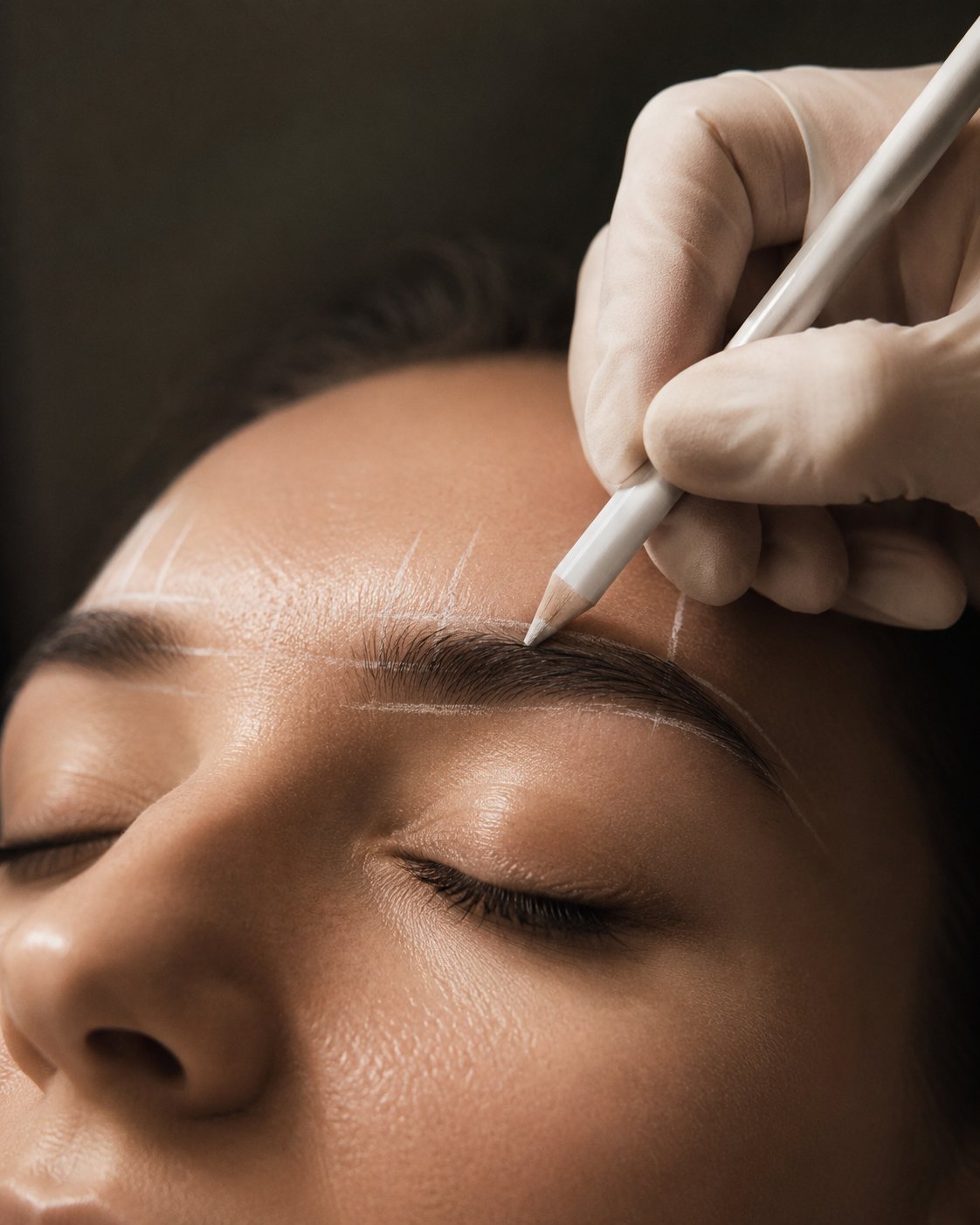
Your microneedling appointment at our private studio in Kentish Town, London NW5 begins with a thorough cleanse to remove all make-up, oil, and impurities from the skin. A topical anaesthetic cream is then applied and left for approximately thirty minutes to ensure your comfort throughout the procedure.
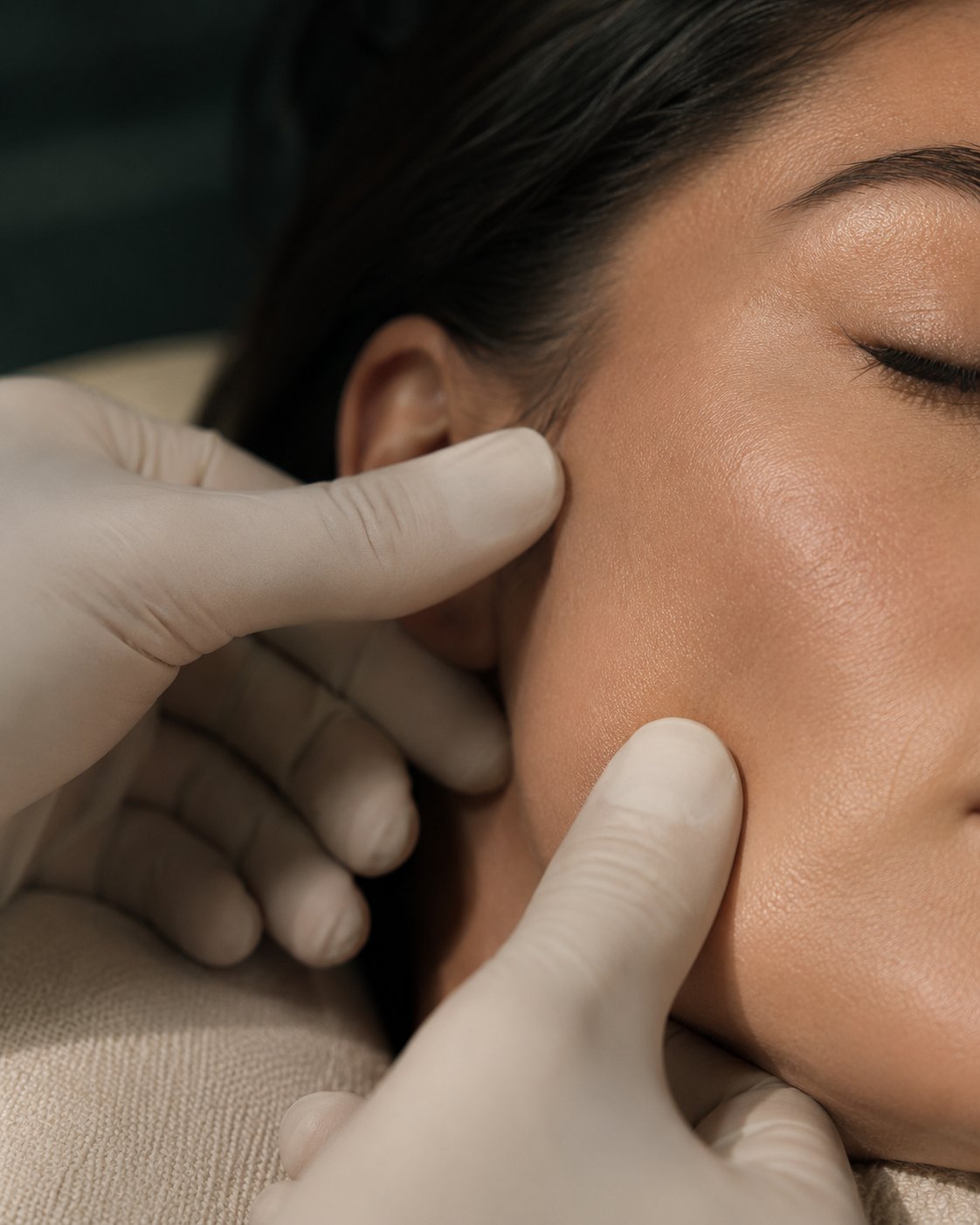
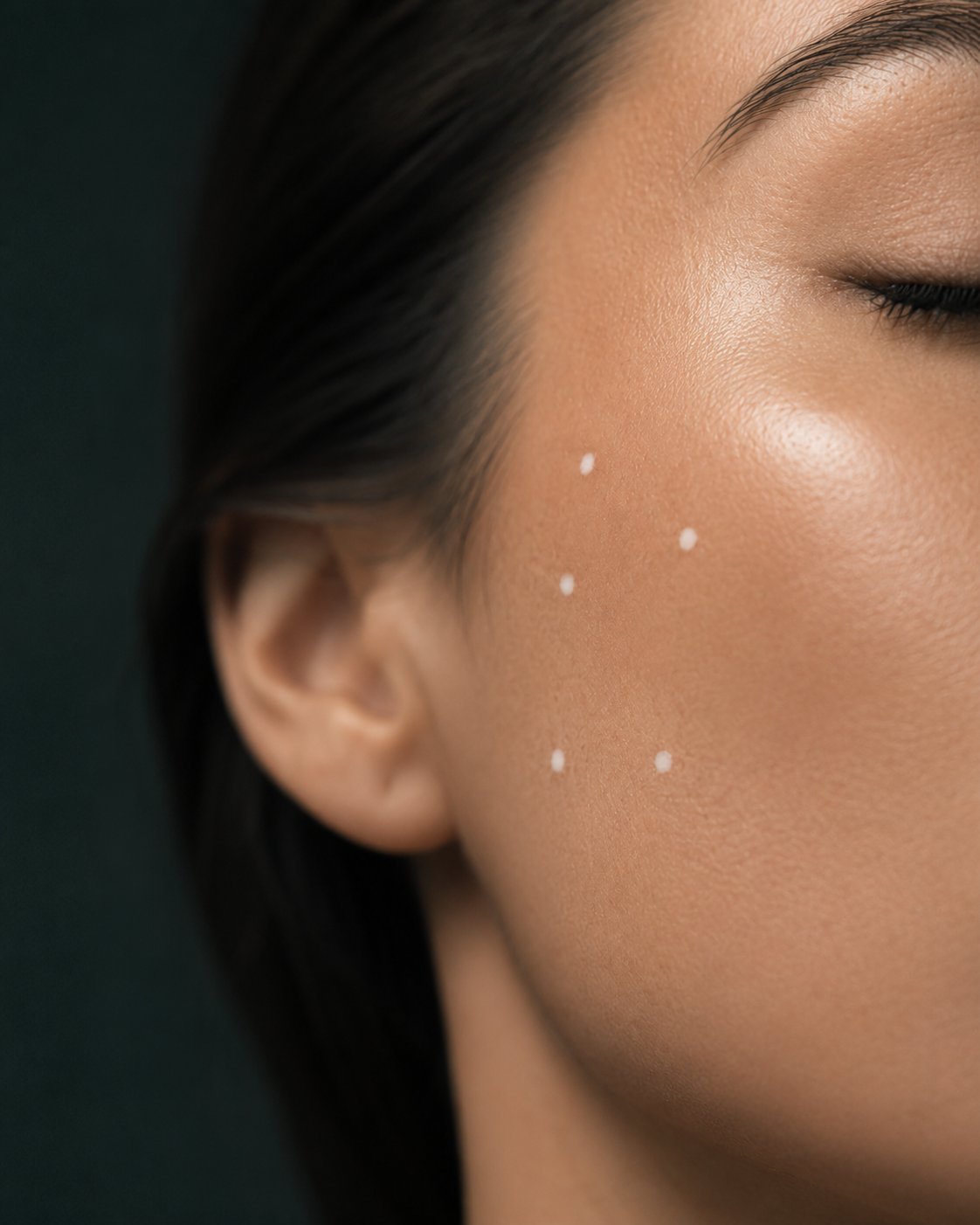
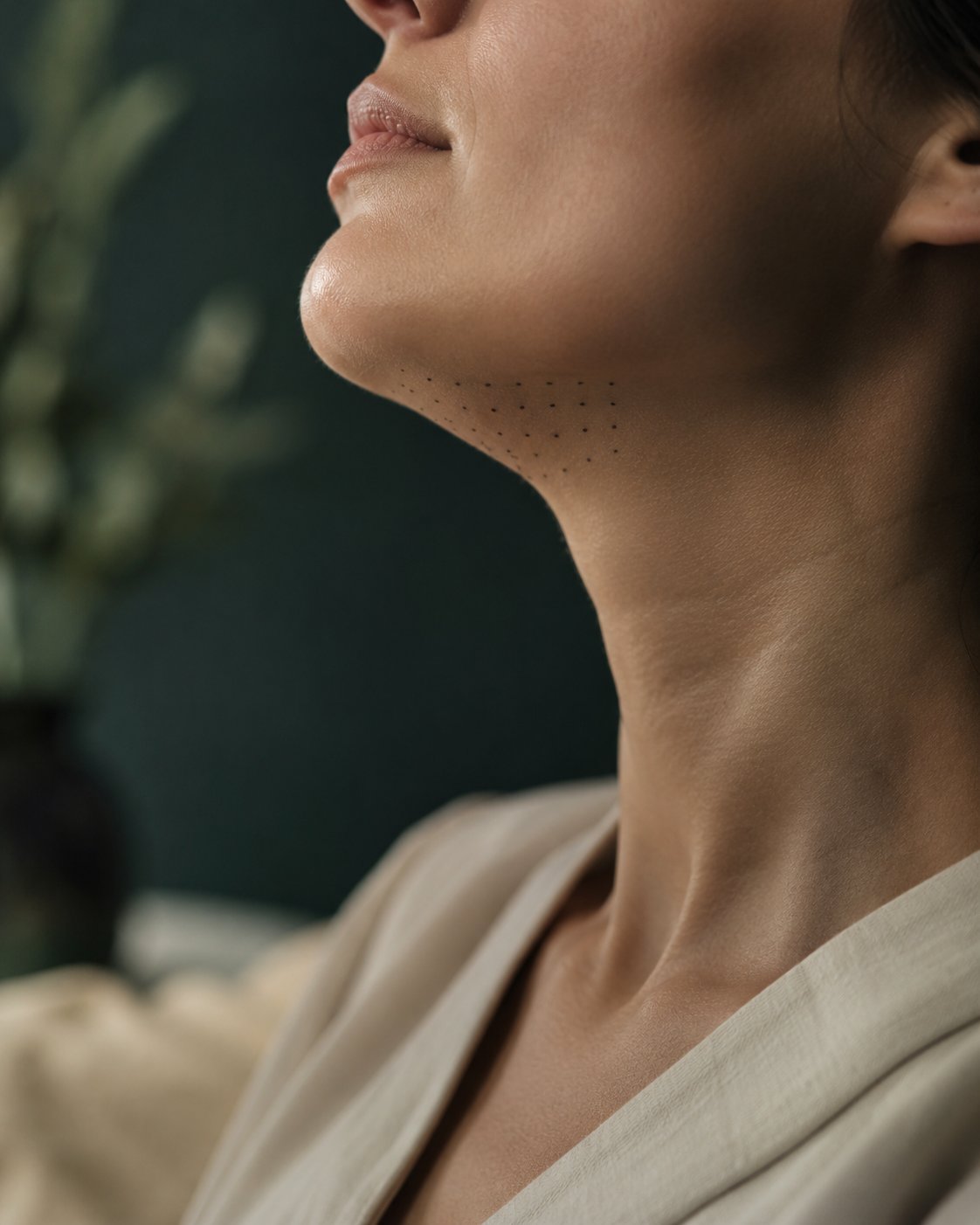
Once the skin is numbed, the practitioner uses a professional-grade microneedling device to systematically treat the target areas. The needle depth is adjusted based on the area being treated and the severity of the scarring: shallower for delicate zones around the eyes, deeper for more substantial scarring on the cheeks or temples.
The treatment itself typically takes thirty to forty-five minutes for a full face. Most clients describe the sensation as a mild prickling or vibrating feeling, occasionally slightly more intense over bony areas such as the forehead or jawline. It is firmly within the tolerable range for the vast majority of people.
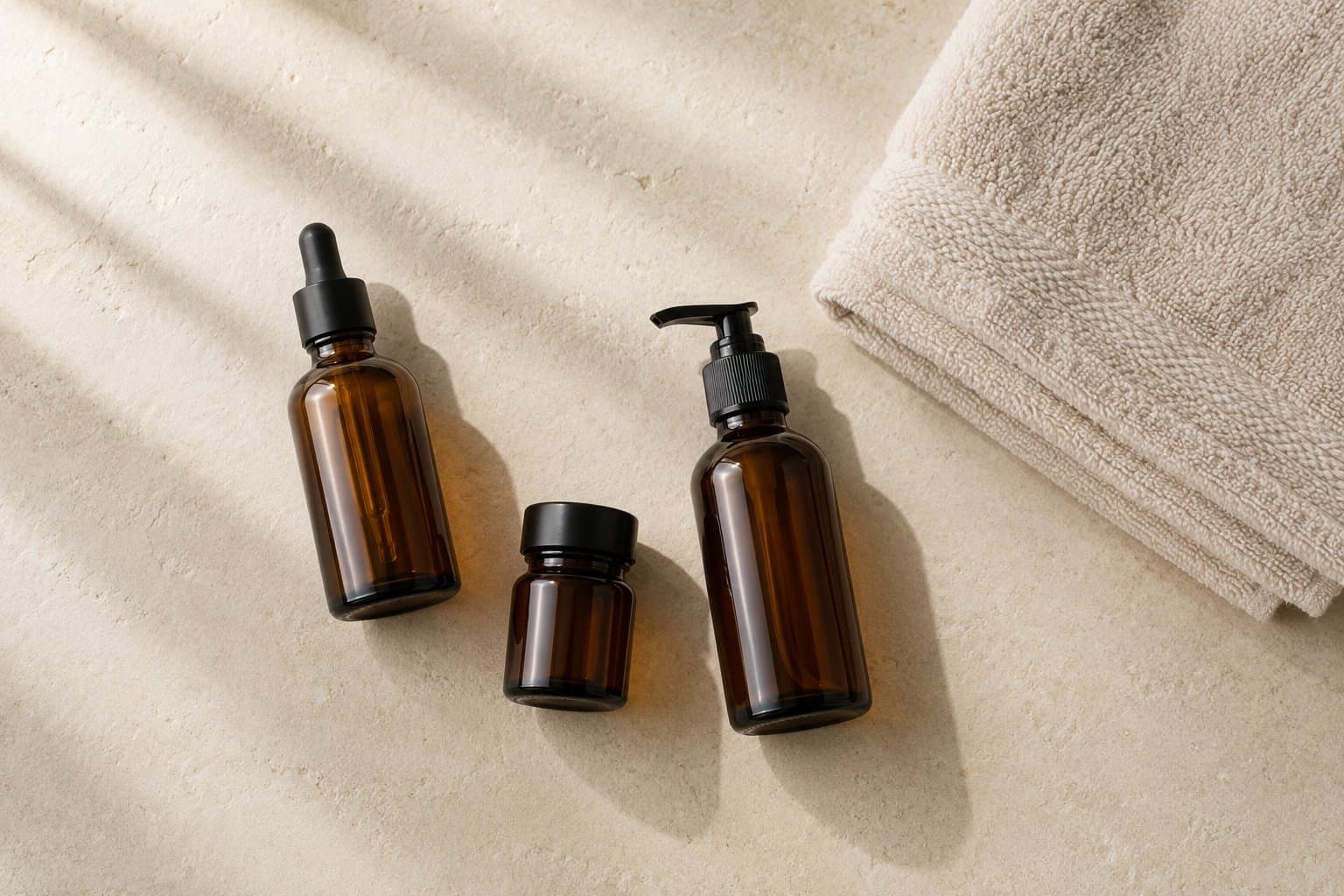
Following the microneedling, a calming serum or hyaluronic acid mask is often applied to soothe the skin and maximise hydration while the micro-channels are still open. This is one of the hidden benefits of microneedling: the channels created during treatment dramatically increase the absorption of active ingredients, allowing beneficial serums to penetrate far more effectively than they would on intact skin.
Downtime and Recovery
One of the most common questions about microneedling is how much downtime to expect. The honest answer is: some, but less than you might think.
Immediately after treatment, the skin will appear red, similar to moderate sunburn. This redness typically fades within twenty-four to forty-eight hours, though it can persist for up to seventy-two hours in those with more sensitive skin or after deeper treatments. Mild swelling, warmth, and tightness are also normal in the first day or two.
During the recovery period, it is essential to keep the skin hydrated, avoid direct sun exposure, and steer clear of active ingredients such as retinoids, vitamin C, and exfoliating acids for at least seventy-two hours. Mineral sunscreen with SPF 50 should be applied diligently in the days and weeks following treatment to protect the healing skin and prevent hyperpigmentation.
Most clients feel comfortable returning to work the day after treatment, particularly if they are able to go without make-up for twenty-four hours. By day three, the skin typically looks noticeably brighter, and any residual pinkness can usually be concealed easily.
How Many Sessions Are Needed?
Microneedling is not a one-and-done treatment. Meaningful improvement in acne scarring requires a course of sessions. At Éclat & Harmonie, we generally recommend a course of three to six treatments spaced four to six weeks apart for optimal results.
The initial sessions lay the groundwork, stimulating the first wave of collagen production. Subsequent sessions build upon this, progressively remodelling the scar tissue and refining the skin's texture with each treatment. Many clients begin to notice visible improvements after the second or third session, with the most significant changes becoming apparent in the months following the final treatment.
It is worth noting that collagen remodelling continues for up to six months after a microneedling session. This means the improvements you see at your follow-up appointment are not the final result. Your skin will continue to improve over time. Patience is genuinely rewarded with this treatment.
For maintenance, many clients choose to have a microneedling session every three to six months to sustain their results and continue promoting healthy collagen turnover.
What Results Can You Realistically Expect?
We believe in honest conversations about outcomes. Microneedling can significantly improve the appearance of acne scars, but it is important to set realistic expectations. Most clients see a noticeable improvement of around forty to seventy percent in scar depth and texture over a full treatment course. Very deep ice-pick scars may require combination approaches, which our practitioners can discuss with you during your consultation.
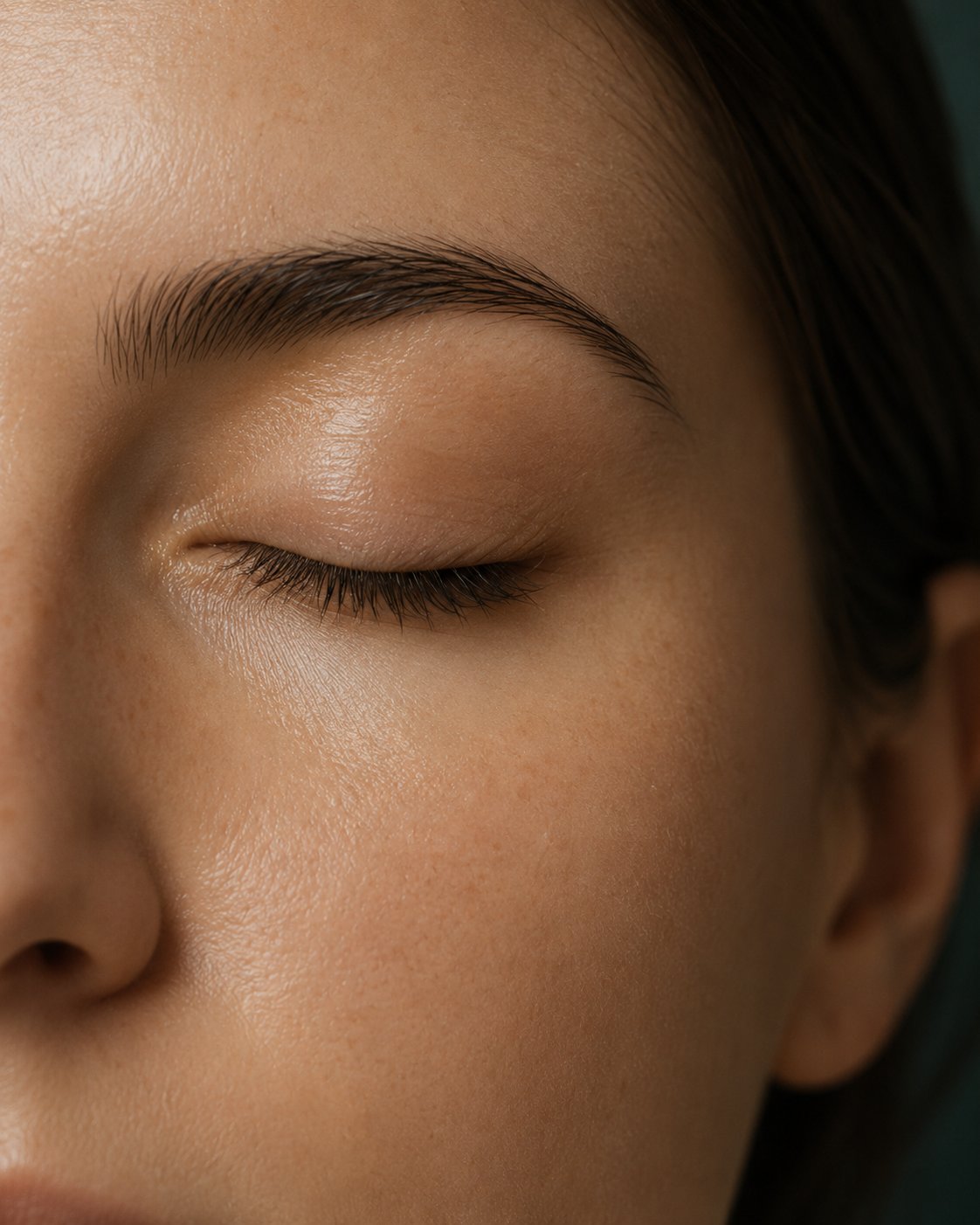
Beyond scar improvement, clients frequently report an overall enhancement in skin quality: improved tone, reduced pore size, and a healthy, luminous glow that was not there before. Microneedling treats the whole canvas, not just the scars.
Ready to start your skin transformation? Book a Microneedling consultation at Éclat & Harmonie Clinic Studio in London and discover how collagen induction therapy can help restore smoother, more confident skin.
All treatments administered by qualified, registered practitioners.