

Acne scars can persist long after the breakouts themselves have resolved. For many people, the textural irregularities left behind are more frustrating than the acne ever was. If you have been researching ways to improve acne scarring without surgery, you have almost certainly come across microneedling. But does it actually work?
The short answer is yes, for most types of acne scarring, microneedling can produce meaningful improvement. The longer answer involves understanding how scars form, how microneedling addresses them, and what realistic results look like after a full course of treatment.
How Acne Scars Form and Why They Persist
When acne is inflamed, particularly deep, cystic acne, it damages the skin's deeper layers. As the body repairs itself, it produces collagen. But this repair process is rarely perfect. Too little collagen creates depressions in the skin (atrophic scars, such as ice pick, boxcar, and rolling scars). Too much collagen produces raised scars (hypertrophic or keloid scarring).
The reason acne scars persist is that once the initial healing phase ends, the body rarely revisits the damaged area to improve the repair. The scarred tissue stabilises, and without intervention, it tends to stay that way. This is where treatments like microneedling can help, by deliberately restarting the remodelling process.
How Microneedling Triggers Collagen Remodelling
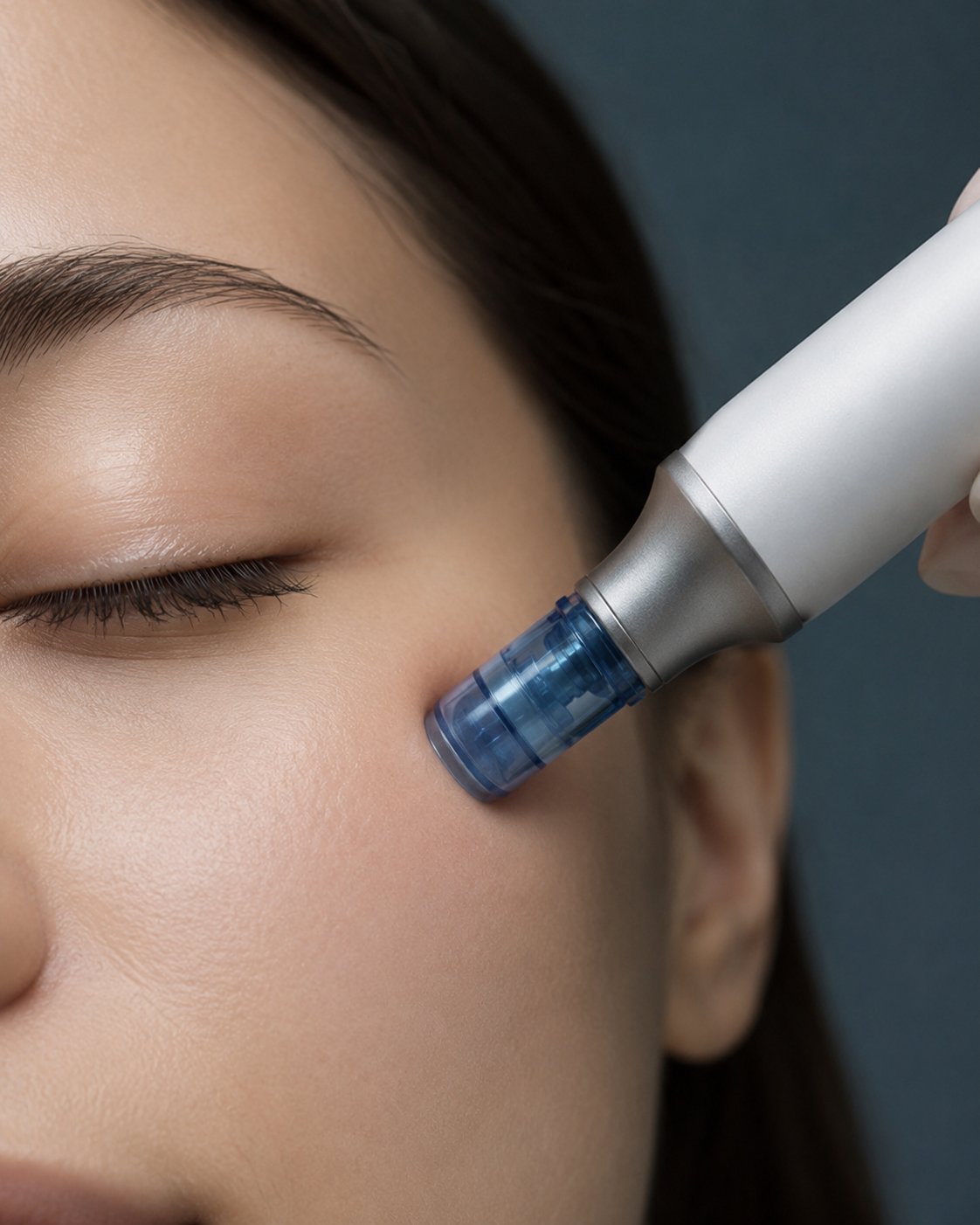
Microneedling, also known as collagen induction therapy, uses a device fitted with fine, sterile needles to create thousands of controlled micro-injuries across the skin surface. These tiny punctures are not deep enough to cause visible damage, but they are sufficient to trigger the skin's wound-healing cascade.
The process unfolds in three phases:
Inflammation. In the first few hours, the body sends growth factors and immune cells to the treated area. This is why the skin appears red and feels warm immediately after treatment.
Proliferation. Over the following days and weeks, new collagen and elastin are deposited as the micro-channels heal.
Remodelling. Over the subsequent months, the newly formed collagen matures and reorganises. This is when the most visible improvement in scar texture occurs.
The controlled nature of the injury is what makes microneedling effective. By creating a precise, uniform pattern of micro-wounds, the treatment encourages the skin to rebuild itself more evenly than the original scar tissue.
What the Evidence Shows
Multiple clinical studies have demonstrated the effectiveness of microneedling for atrophic acne scars. A systematic review published in the Journal of Cosmetic Dermatology found that microneedling produced statistically significant improvements in scar appearance across multiple studies, with rolling and boxcar scars responding particularly well.
The treatment is considered safe for all skin types, including darker skin tones, which is an important distinction. Some laser and peel treatments carry a higher risk of post-inflammatory hyperpigmentation in melanin-rich skin. Microneedling, because it does not use heat or light, largely avoids this risk when performed at appropriate depths.
It is worth noting that ice pick scars (very narrow, deep depressions) tend to be more resistant to microneedling alone. These may benefit from a combination approach, with microneedling alongside other treatments such as skin boosters or chemical peels.
The Treatment Process at Éclat & Harmonie
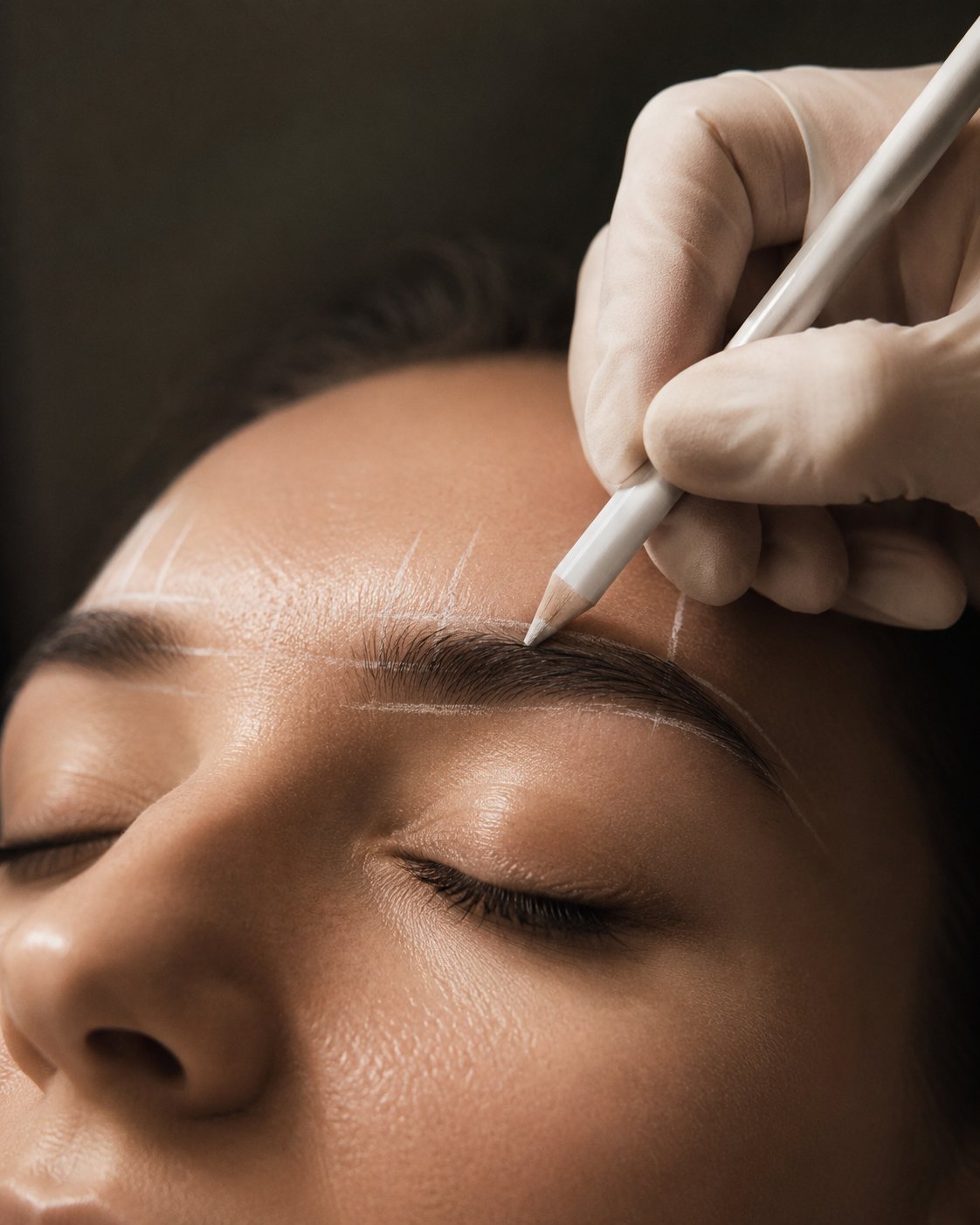
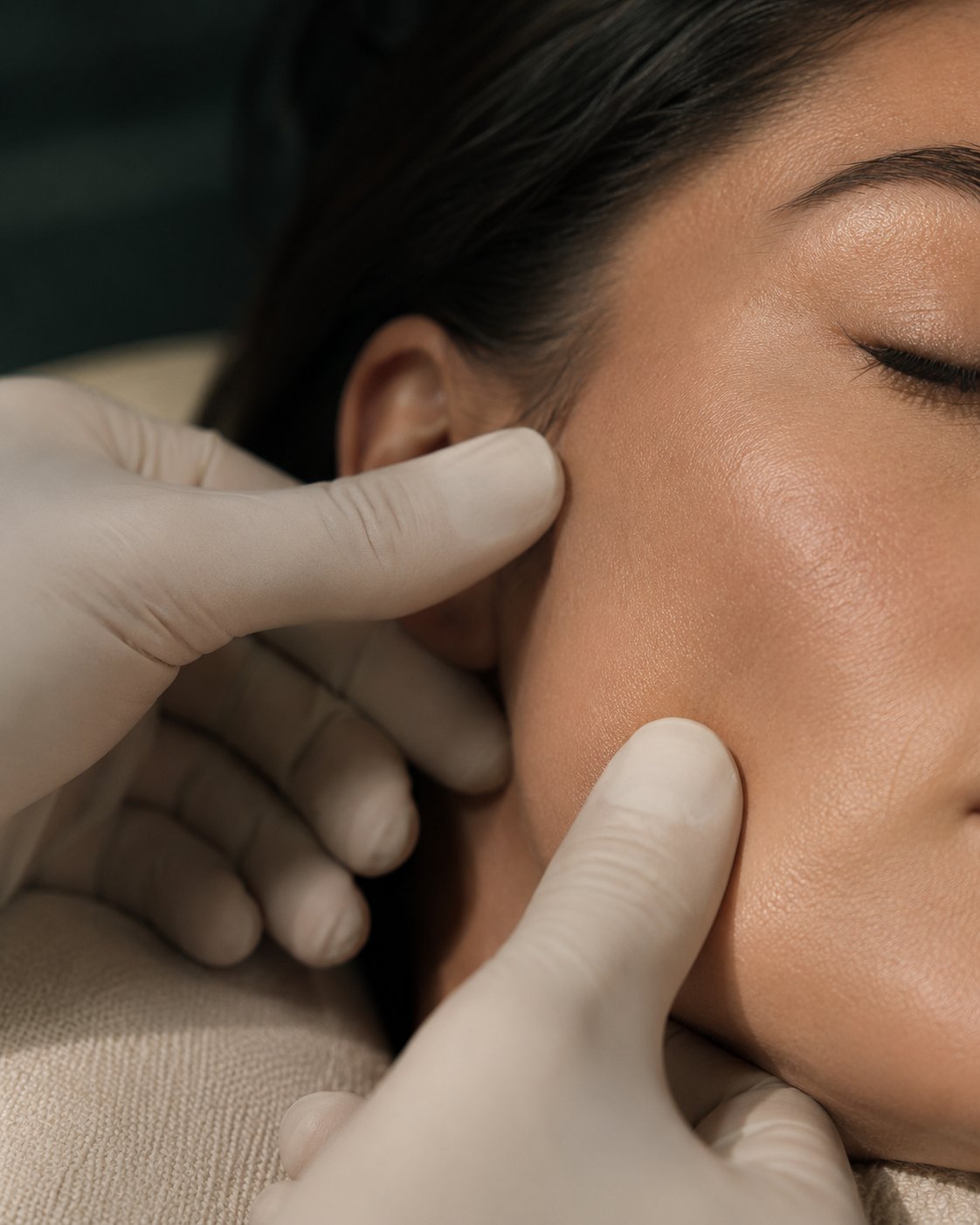
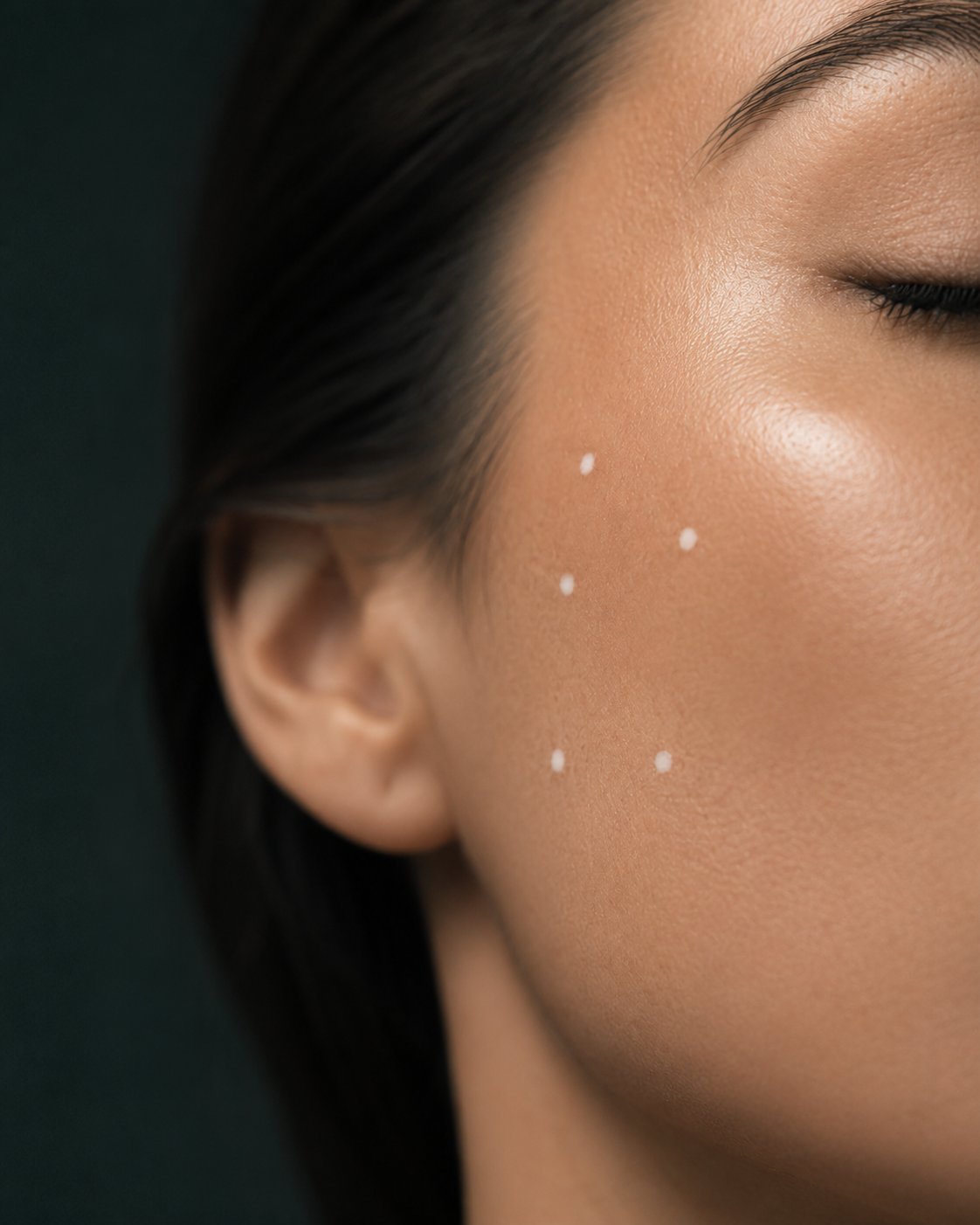
At our private studio in Kentish Town, NW5, microneedling begins with a consultation. Your practitioner will assess your scarring type, skin condition, and treatment goals, and recommend a course plan.
On the day of treatment:
- Your skin is thoroughly cleansed
- A topical anaesthetic cream is applied and left to take effect for approximately twenty to thirty minutes
- The microneedling device is passed over the treatment area in a controlled, systematic pattern
- A calming serum or mask is applied immediately after
- The entire process takes approximately forty-five to sixty minutes
Immediately afterwards, your skin will appear red, similar to moderate sunburn. This is entirely normal and typically subsides within twenty-four to seventy-two hours. Most clients can return to normal activities the following day, although makeup should be avoided for at least twelve hours.
How Many Sessions Are Typically Needed
For acne scarring, a course of three to six sessions is usually recommended, spaced four to six weeks apart. This spacing allows each round of collagen remodelling to complete before the next treatment begins.
Improvements are cumulative. You may notice some changes after the first session, but the most significant results develop over the full course. Many clients report continued improvement for up to six months after their final session, as collagen continues to mature and remodel.
Realistic Expectations
Microneedling can meaningfully improve the texture, depth, and visibility of acne scars. It cannot eliminate scarring entirely, and anyone who promises complete removal is not being honest. What it can do is soften the landscape of the skin, reducing the contrast between scarred and unscarred areas so that the texture appears smoother and more uniform.
For most clients, the improvement is noticeable and satisfying. Some choose to maintain their results with annual top-up sessions.
Aftercare Essentials
Proper aftercare is critical to getting the best results and avoiding complications:
- Apply SPF 50+ daily for at least two weeks after treatment
- Avoid retinol, AHA, BHA, and vitamin C for five to seven days post-treatment
- Use only gentle, recommended products for the first forty-eight hours
- Do not pick, scratch, or exfoliate the skin during the healing phase
- Avoid swimming pools, saunas, and intense exercise for forty-eight hours
Considering Microneedling for Acne Scars?
If acne scarring is affecting your confidence and you would like to understand what microneedling could do for your skin, book a consultation at Éclat & Harmonie Clinic Studio. We will assess your scarring, discuss realistic outcomes, and recommend a treatment plan designed for your specific skin.
Our private studio in Kentish Town offers a calm, confidential setting where your treatment is never rushed. All treatments are administered by qualified, registered practitioners.