You eat well. You exercise regularly. Yet certain pockets of fat refuse to respond. The area beneath the chin, the inner thighs, the flanks. These stubborn deposits are one of the most common frustrations clients bring to aesthetic clinics, and they are also one of the most misunderstood.
Lipolysis is a non-surgical injectable treatment designed to reduce localised fat in specific areas. It is not a weight-loss solution, and it is not suitable for everyone. But for the right candidate, it can produce a meaningful improvement in body contour without surgery, general anaesthesia, or significant downtime.
How Lipolysis Works
The most commonly used lipolysis product in the UK contains deoxycholic acid, a substance that occurs naturally in the body as part of the digestive process. When injected into a targeted fat deposit, deoxycholic acid disrupts the membrane of the fat cells, causing them to break down.
Over the following weeks, the body's lymphatic system processes and eliminates the damaged cells. This is a gradual process, not an overnight transformation. The treated area steadily becomes slimmer as the body clears the disrupted fat.
The key distinction is that the treated fat cells do not regenerate. Once they have been broken down and cleared, the reduction in that area is considered permanent, provided your weight remains stable.
Common Treatment Areas
Lipolysis is best suited to small, defined pockets of fat. The most frequently treated areas include:
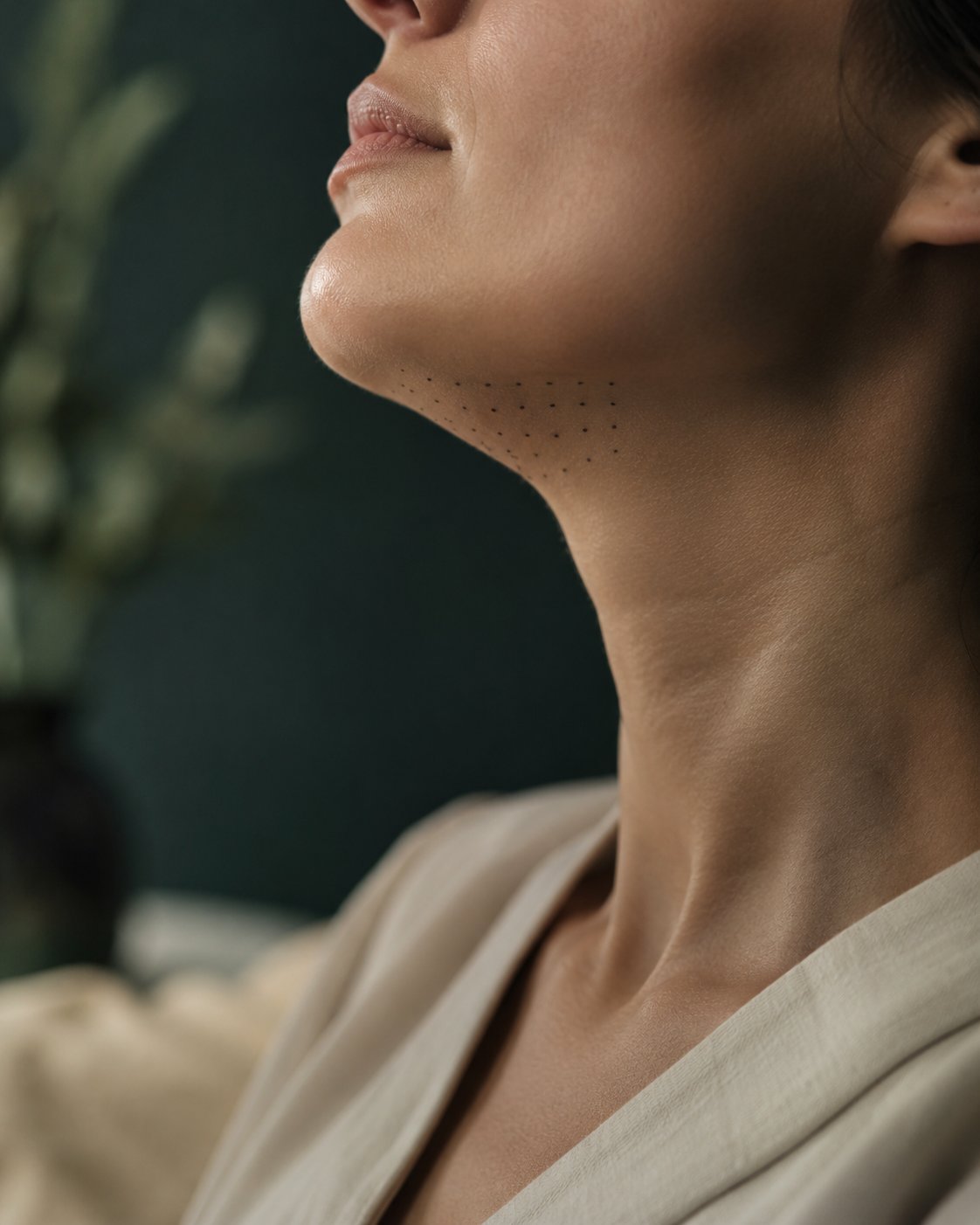
Submental fat (double chin). This is the most popular treatment area for lipolysis. The fat pad beneath the chin often persists regardless of overall body weight and can significantly affect facial profile and definition.
Jowls. Excess fat along the jawline can blur the boundary between the face and neck. Lipolysis can sharpen this contour.
Small body areas. The flanks (love handles), inner thighs, upper arms, and bra-line fat are all potential treatment areas, although the number of sessions required may vary.
Areas with larger fat volumes, such as the abdomen, can sometimes be treated but typically require more sessions and careful assessment of expectations.
Who is a Good Candidate
Lipolysis works best for clients who are at or near their target weight and have specific areas of stubborn fat that have not responded to diet and exercise. The ideal candidate:
- Has a stable, healthy weight
- Has clearly defined pockets of localised fat
- Has realistic expectations about what non-surgical treatment can achieve
- Is in good general health with no contraindications
- Understands that multiple sessions are usually required
Who is NOT a Good Candidate
Honesty about suitability is just as important as explaining the treatment. Lipolysis is not appropriate for:
- Clients with a BMI over 30 or those looking for significant weight loss
- Clients expecting surgical-level results from a non-surgical treatment
- Those with loose, sagging skin in the treatment area (lipolysis reduces fat, but it does not tighten skin)
- Clients with liver disease, autoimmune conditions, or certain other medical contraindications
- Pregnant or breastfeeding individuals
A responsible clinic will assess your suitability honestly and, if lipolysis is not the right option, say so directly.
The Treatment Process
At Éclat & Harmonie Clinic Studio, lipolysis treatment follows a careful, structured approach:
Consultation. Your practitioner assesses the treatment area, discusses your goals, and determines whether lipolysis is appropriate for you. Measurements and photographs may be taken for comparison.
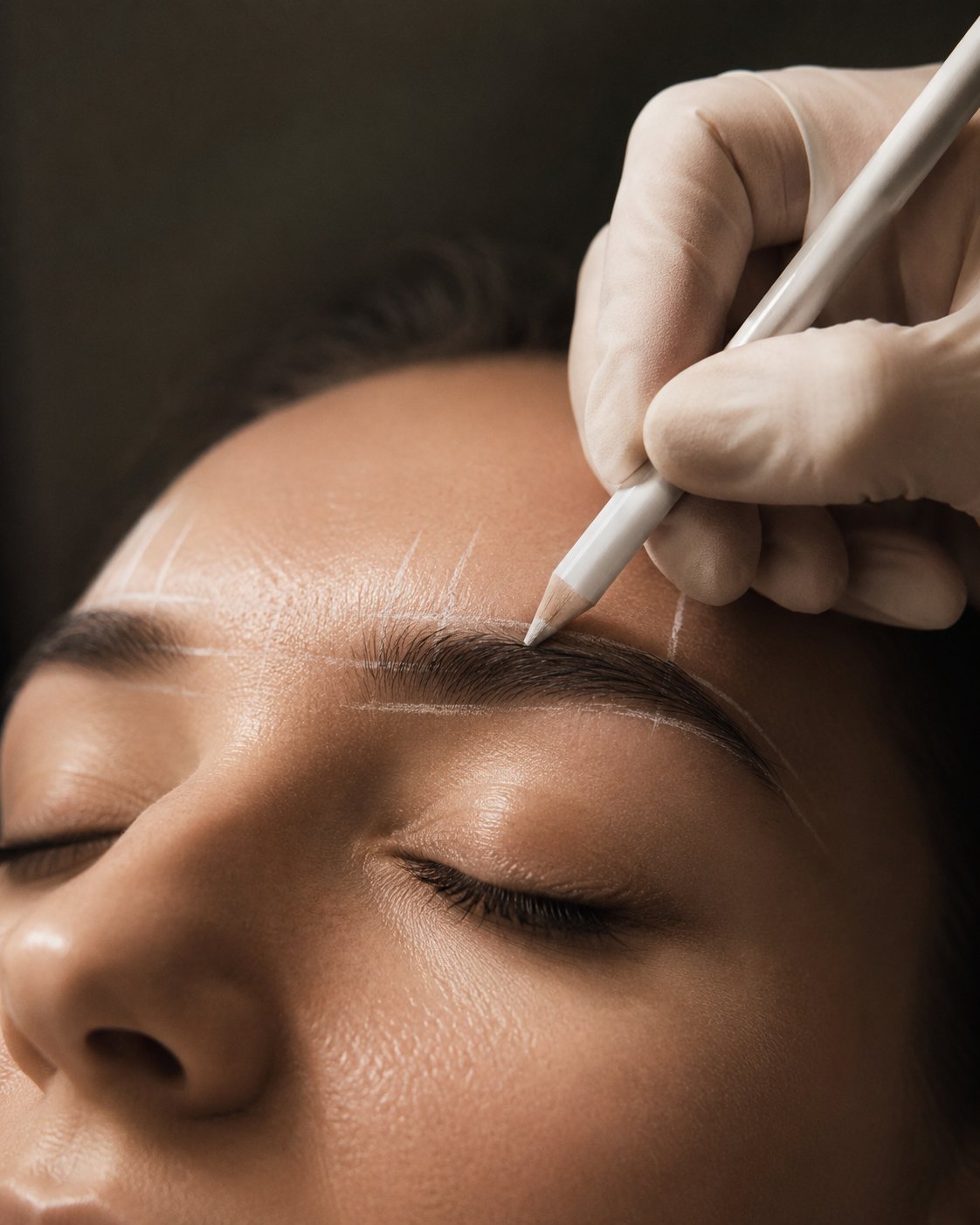
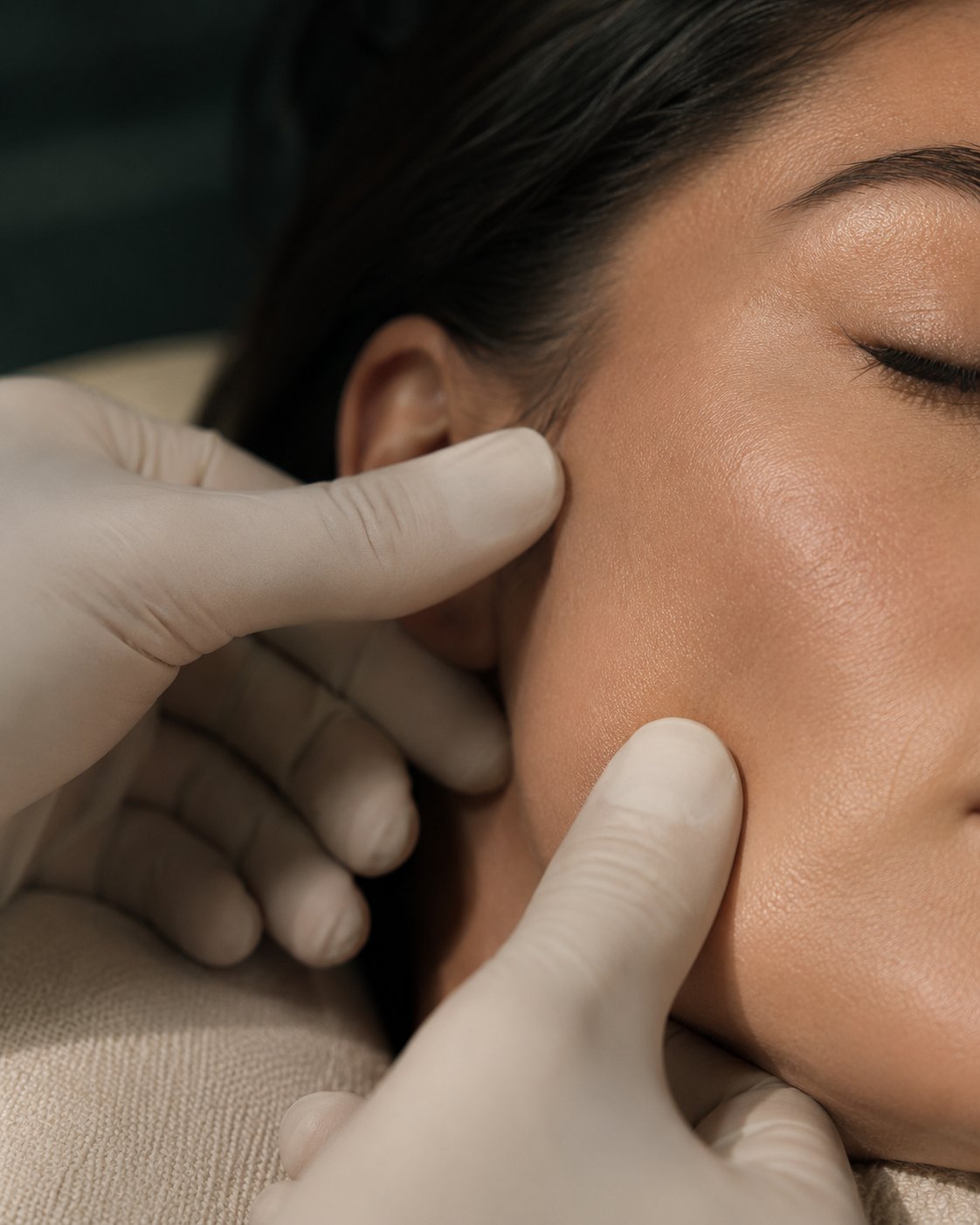
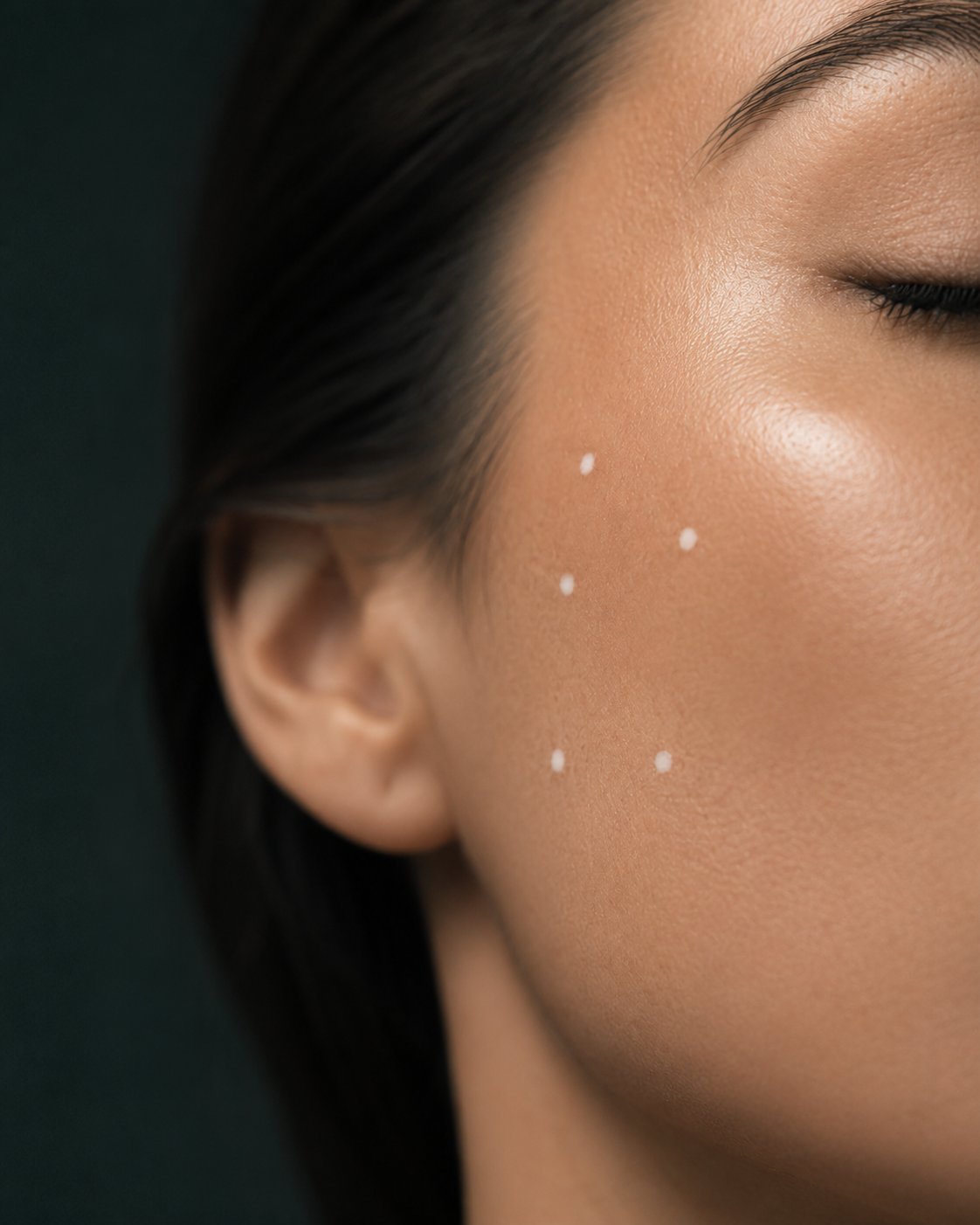
On the day. The treatment area is marked and cleaned. A series of small injections are administered directly into the fat deposit using a fine needle. A topical anaesthetic may be applied beforehand for comfort. The procedure takes approximately thirty to forty-five minutes depending on the area.
Immediately after. Some swelling, redness, and tenderness are expected. In fact, swelling is a sign that the treatment is working. The submental area in particular can swell noticeably for several days, so many clients prefer to schedule treatment before a quieter period in their diary.
Results Timeline
Unlike fillers, which produce an immediate visible change, lipolysis results develop gradually. Here is a general timeline:
Week 1 to 2. Swelling peaks and then begins to subside. Bruising and tenderness are common.
Week 3 to 4. Swelling resolves. You may begin to notice early changes in contour.
Week 6 to 12. The body continues to clear the disrupted fat cells. Most clients see their best results within this window.
Most clients require two to four sessions, spaced four to six weeks apart. The number of sessions depends on the volume of fat, the treatment area, and your individual response. Your practitioner will advise on the recommended course after your initial consultation.
Final results are best assessed after completing the full course and allowing the body sufficient time to process the treated fat.
Why Honest Consultations Matter
One of the biggest risks with lipolysis is not the treatment itself but unrealistic expectations. If a clinic promises dramatic transformation from a single session, or suggests lipolysis can replace diet, exercise, or surgical liposuction, that is a warning sign.
At Éclat & Harmonie Clinic Studio, we believe in transparent, evidence-informed advice. If lipolysis is right for you, we will explain exactly what to expect. If it is not, we will tell you that too. Setting realistic expectations is not a limitation. It is the foundation of a good result.
Considering Lipolysis in North London?
If you have been thinking about non-surgical body contouring and want to find out whether lipolysis could work for you, book a consultation at Éclat & Harmonie Clinic Studio in Kentish Town, NW5.
You will receive a thorough assessment, honest advice, and a clear treatment plan, with no pressure to proceed until you are ready. All treatments are administered by qualified, registered practitioners in our single private studio.