
There is one ingredient that appears in almost every skincare routine, from the most minimal to the most elaborate, and for good reason. Hyaluronic acid has become ubiquitous in modern skincare, but beneath the marketing buzz lies genuinely fascinating science. Understanding how hyaluronic acid actually works, why molecular weight matters, and where topical products reach their limits can help you make smarter choices about how you hydrate your skin.
What Exactly Is Hyaluronic Acid?
Hyaluronic acid (HA) is a naturally occurring glycosaminoglycan, a type of molecule composed of repeating sugar units, found throughout the human body. It is particularly concentrated in the skin, where it resides primarily in the dermis, the deeper structural layer beneath the surface you can see and touch.
Your skin contains roughly fifty per cent of your body's total hyaluronic acid. Its primary function is hydration: a single gram of HA can bind up to six litres of water, making it one of the most effective humectants found in nature. Beyond simple moisture retention, hyaluronic acid plays a role in wound healing, tissue repair, and maintaining the structural integrity of your skin's extracellular matrix, the scaffolding that keeps skin firm and plump.
Here is the challenge: your body's natural production of hyaluronic acid declines with age. By your forties, you may be producing roughly half the HA you did in your twenties. This decline is one of the key reasons skin gradually loses its youthful bounce and develops a drier, thinner texture over time. Environmental factors, particularly UV exposure and pollution, accelerate this degradation further.
Why Molecular Weight Matters
Not all hyaluronic acid is created equal, and this is where many consumers, and even some skincare brands, miss crucial nuance. The molecule comes in different sizes, measured by molecular weight, and each size behaves differently on and in the skin.
High molecular weight HA (typically above one million Daltons) has molecules too large to penetrate the skin's surface. Instead, it forms a hydrating film on top of the skin, reducing transepidermal water loss and creating an immediate plumping effect. This is the form responsible for that satisfying, dewy feeling you get immediately after applying an HA serum. The effect is real but temporary, lasting only as long as the film remains intact.
Medium molecular weight HA (around 100,000 to one million Daltons) can partially penetrate the outermost layers of the epidermis. It provides a combination of surface hydration and slightly deeper moisturising benefits, making it a versatile middle ground.
Low molecular weight HA (below 100,000 Daltons) has smaller molecules that can penetrate more deeply into the epidermis. Some research suggests that very low molecular weight HA (below 50,000 Daltons) may even reach the upper dermis. These smaller fragments can hydrate at a deeper level and may stimulate the skin's own production of hyaluronic acid, creating a more sustained benefit.
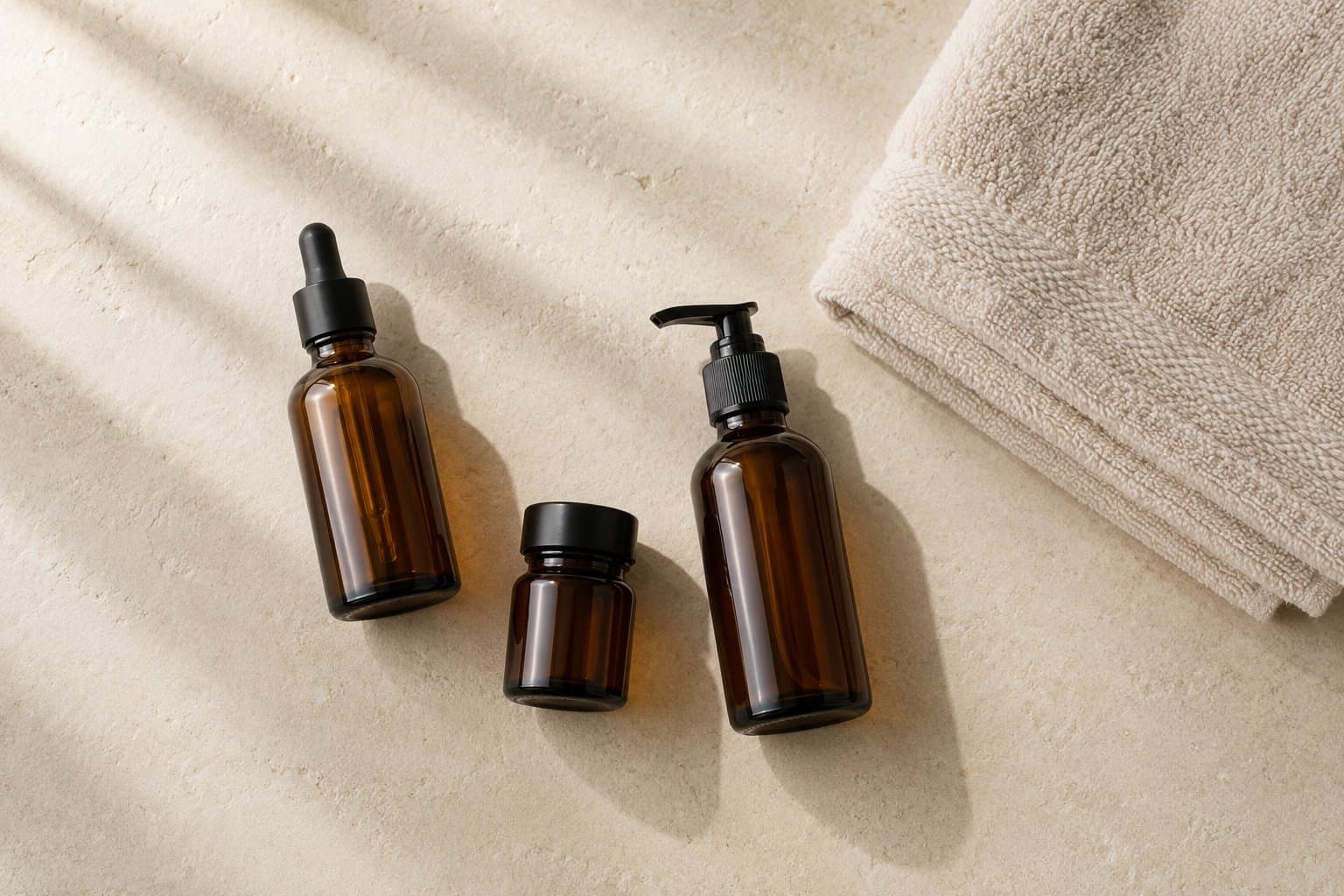
The most effective hyaluronic acid skincare products contain a blend of multiple molecular weights, working at different levels simultaneously. When evaluating HA serums, look for terms like "multi-weight," "multi-molecular," or ingredient lists that specify different HA forms.
How to Use Hyaluronic Acid in Your Routine
Using HA effectively is straightforward, but there is one critical detail many people overlook: hyaluronic acid is a humectant, which means it works by drawing water towards itself. In humid environments, it pulls moisture from the air into your skin, which is exactly what you want. In very dry environments, however, it can potentially draw moisture from the deeper layers of your skin towards the surface, where it evaporates.
The solution is simple. Always follow your hyaluronic acid serum with a moisturiser that contains occlusive or emollient ingredients such as ceramides, squalane, shea butter, or dimethicone. This seals the hydration in and prevents it from escaping. Think of HA as the ingredient that attracts water and your moisturiser as the lid that keeps it locked in place.
When to apply: After cleansing and any water-based toners, before heavier serums and moisturisers. Apply to slightly damp skin for optimal results, as this gives the HA immediate access to surface moisture to bind with.
How often: Hyaluronic acid is exceptionally well tolerated and can be used twice daily, morning and evening. It is compatible with virtually every other active ingredient, making it one of the most versatile additions to any routine. Layer it under vitamin C in the morning and under retinoids in the evening without concern.
Concentration: Clinical studies suggest that concentrations between one and two per cent are optimal. Higher concentrations are not necessarily better and can feel sticky without additional hydration benefit.
Topical vs Injectable Hyaluronic Acid
Here is where honesty matters. Topical hyaluronic acid is excellent for surface hydration, improving skin texture, and creating a plumper, more luminous appearance. However, it cannot replicate the deeper, structural hydration that injectable HA can provide.
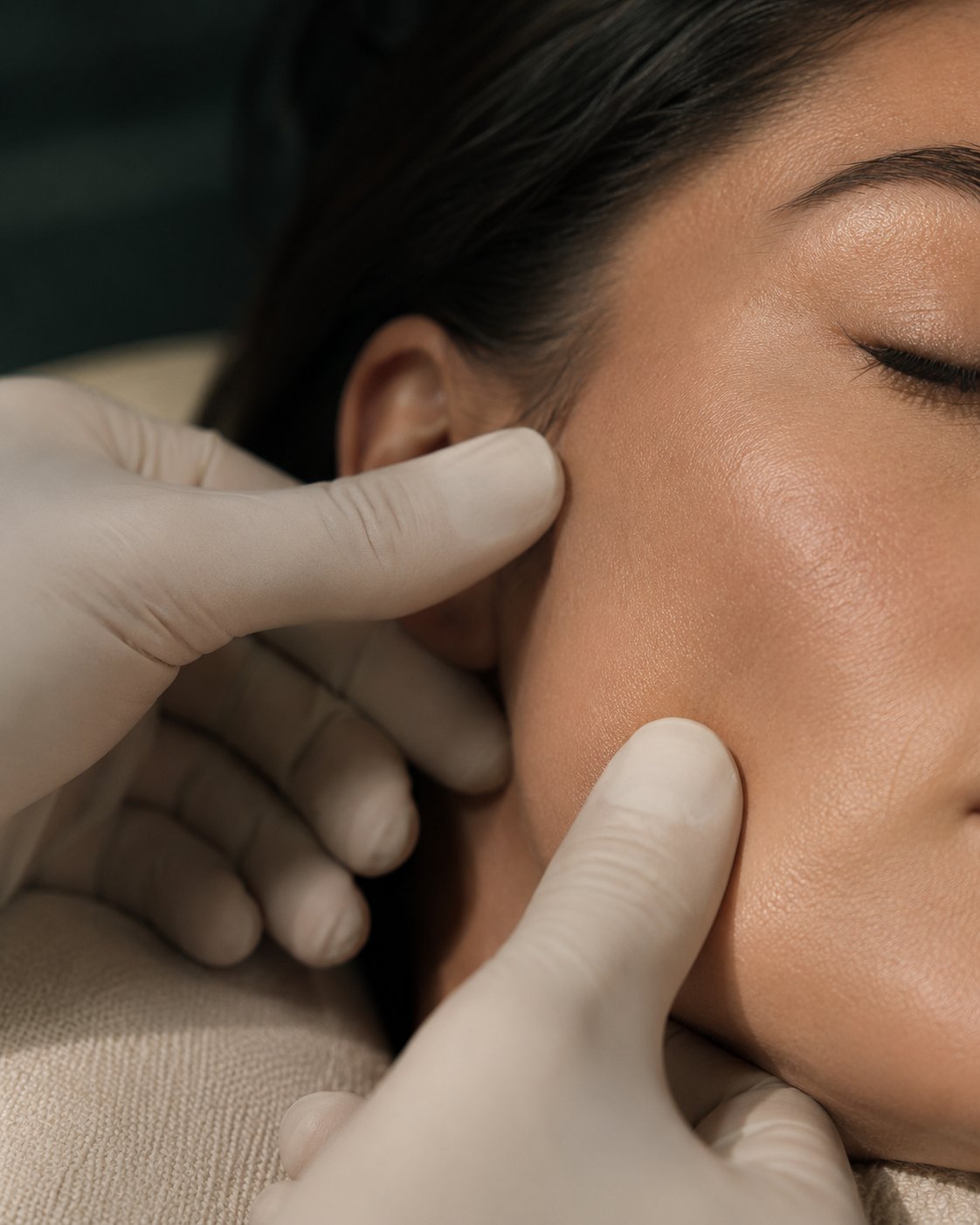
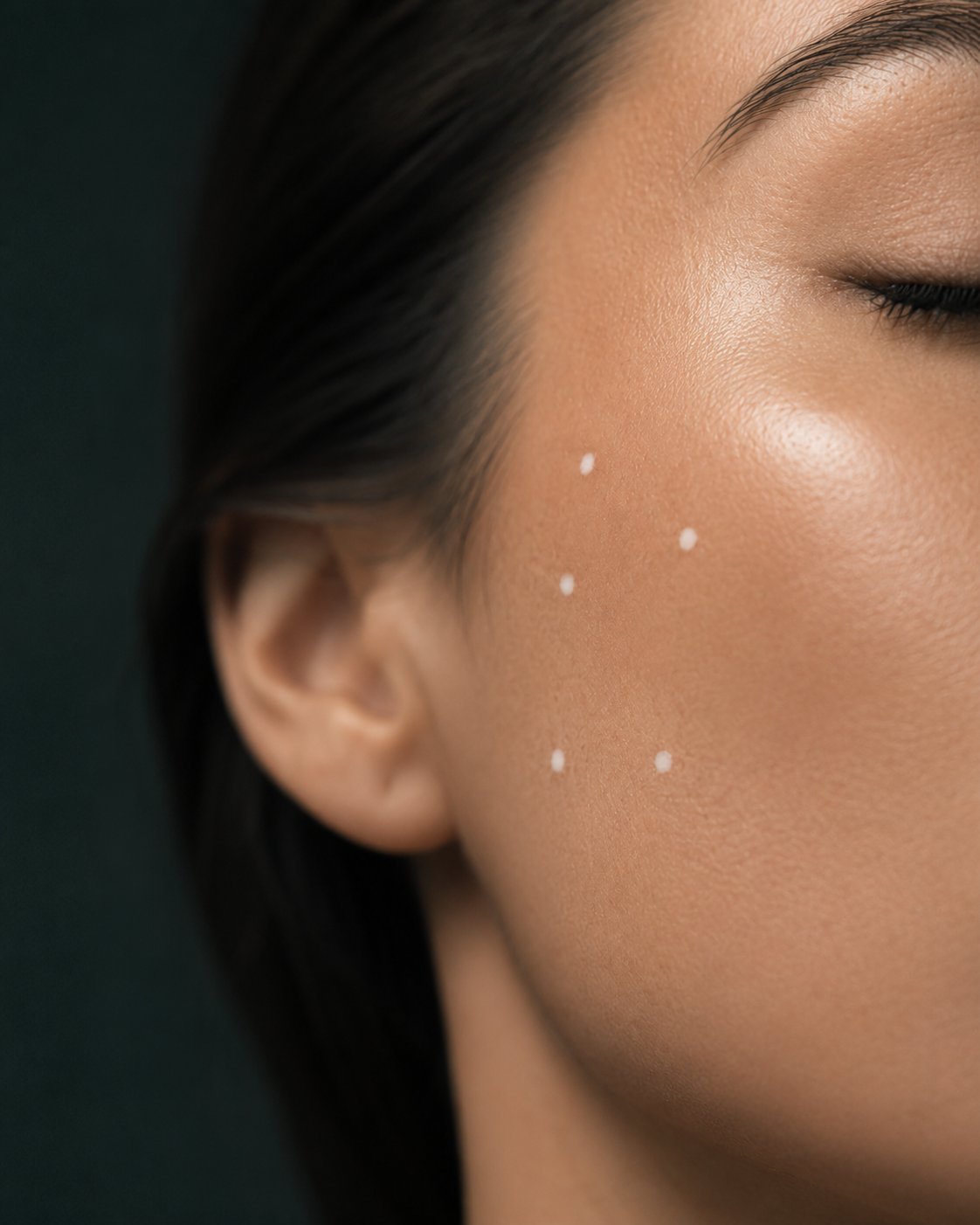
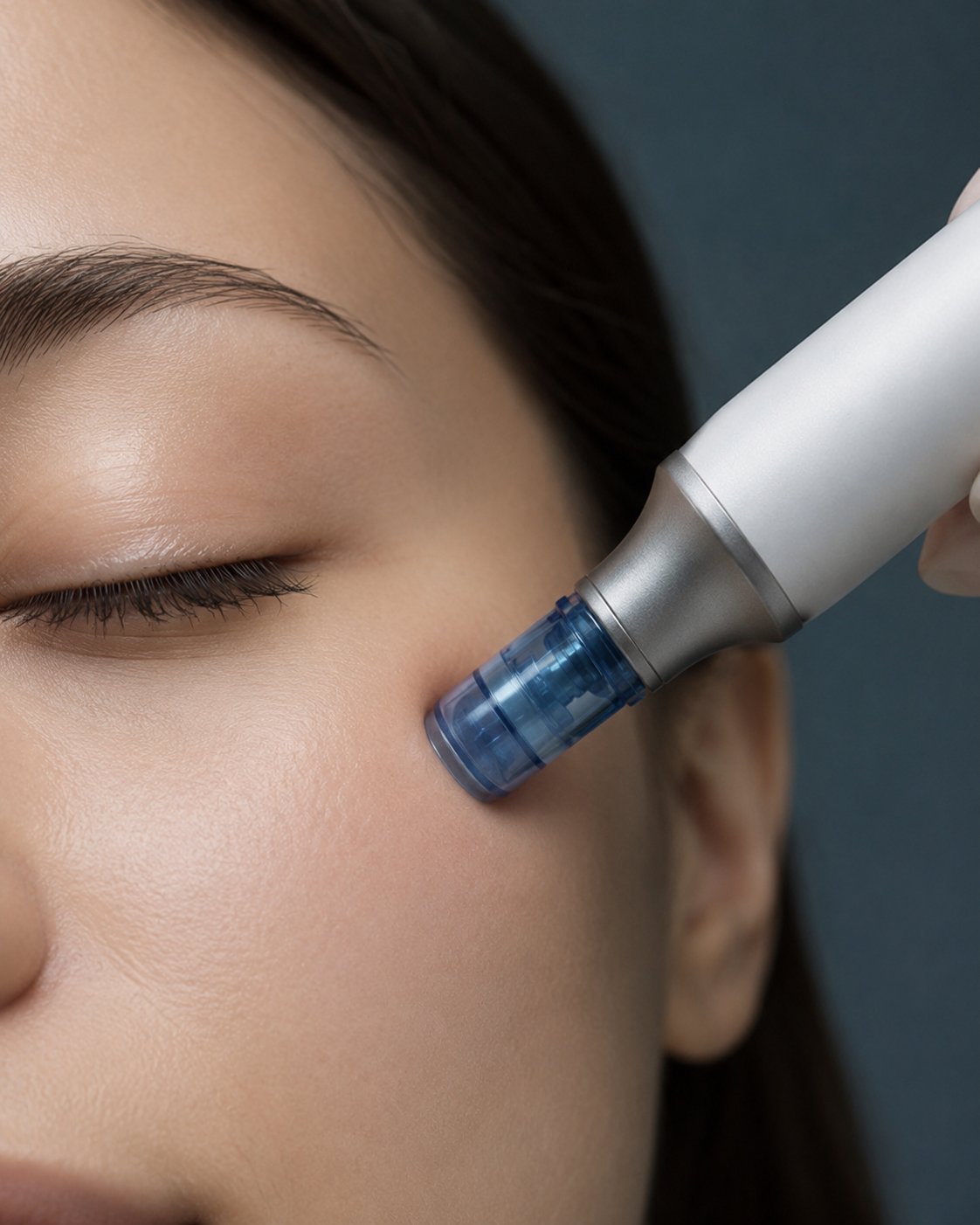
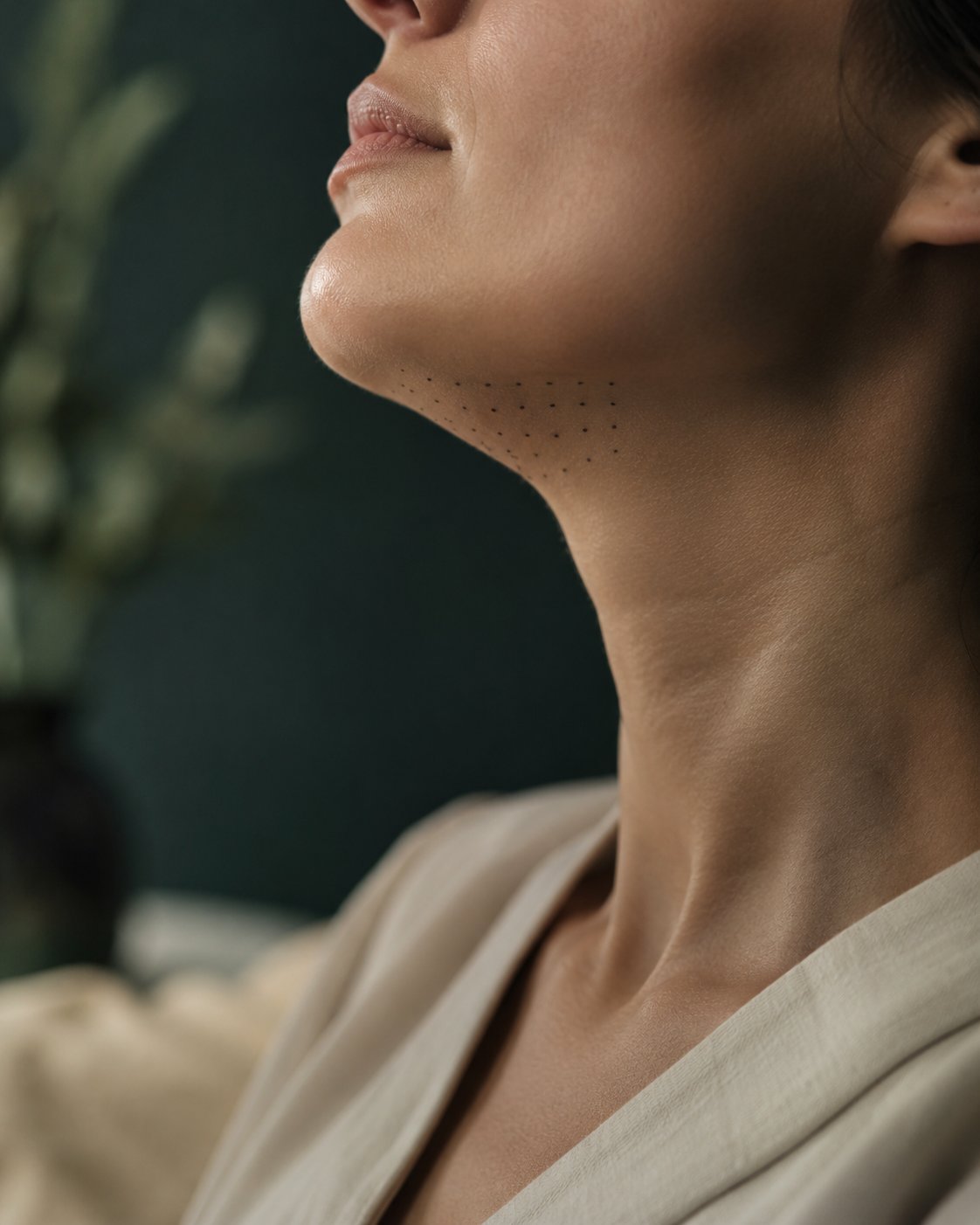
Skin booster treatments involve microinjections of hyaluronic acid directly into the dermis, where it integrates with your skin's own extracellular matrix. Unlike dermal fillers, which add volume to specific areas, skin boosters disperse HA across a broader area to improve overall skin quality from within. The result is improved hydration, elasticity, and a radiant, healthy glow that topical products alone cannot achieve.
At Éclat & Harmonie Clinic Studio in Kentish Town, London, we offer skin booster treatments designed to complement your at-home hydration routine. Think of topical HA as daily maintenance and injectable HA as a deeper, longer-lasting investment in your skin's hydration infrastructure. The two approaches work beautifully together: topical products maintain day-to-day hydration levels while periodic skin booster sessions replenish the deeper reservoirs.
A course of skin booster treatments typically involves two to three sessions spaced a few weeks apart, with results that can last several months. Many clients describe their skin as looking "lit from within," a quality that comes from genuine deep hydration rather than surface-level shimmer.
Hyaluronic Acid Benefits Beyond Hydration
While hydration is its headline function, the hyaluronic acid benefits for skin extend further. Well-hydrated skin simply functions better across the board. It is more resilient against environmental stressors, heals more efficiently, and displays a smoother, more even texture. Adequate hydration also helps other active ingredients, including retinoids, vitamin C, and peptides, perform more effectively, as they penetrate and distribute more evenly in well-moisturised skin.
For those dealing with sensitivity or a compromised skin barrier, HA's gentle, non-irritating nature makes it one of the safest ingredients to introduce. It is suitable for all skin types, all ages, and can be used alongside virtually any treatment protocol.
Understanding hyaluronic acid, what it can and cannot do, empowers you to set realistic expectations. Topical HA will not erase deep wrinkles or replace lost volume. What it will do is create a healthier, more hydrated foundation that supports every other aspect of your skincare routine.
If you are curious about how skin booster treatments could enhance your hydration routine, or if you would like personalised advice on incorporating HA into your skincare regimen, book a consultation at Éclat & Harmonie Clinic Studio. All treatments are administered by qualified, registered practitioners.